Restaurant growth makes scheduling messy fast
Opening a restaurant in New York or California already comes with expensive rent, tight margins, hiring pressure, and managers who split time between service and admin. When the team grows from one location to two, or one service window to several, the schedule can become the quiet source of daily friction.
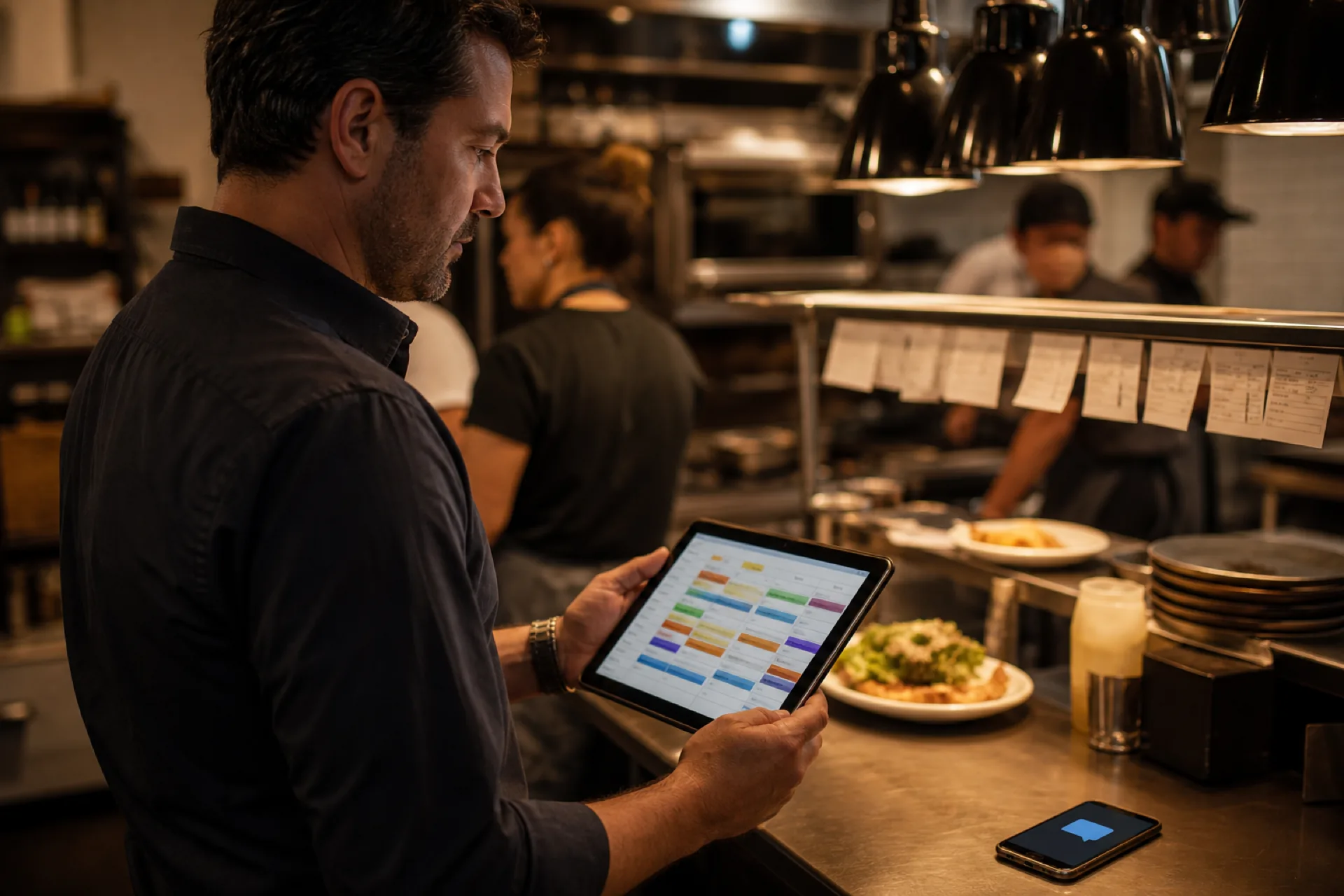
The first version usually works: a spreadsheet, a group chat, and one manager who remembers everyone. Then brunch, late-night coverage, delivery peaks, callouts, training shifts, and availability updates start arriving from every direction.
That is where restaurant scheduling software earns its place. The goal is not just a prettier rota. The goal is a published staffing plan that managers, owners, and hourly teams can trust when the week starts moving, built on shift scheduling your floor leads actually use. For a national manager playbook, see restaurant staff scheduling: the complete guide.
Why New York and California teams feel the pressure sooner
Restaurant startups in New York and California often schedule under a sharper operating rhythm than smaller markets. For NYC-specific floor habits, see NYC hospitality shift scheduling for restaurants, hotels, and bars. Local context: New York City and Los Angeles.
- Higher labor cost exposure means every unnecessary hour shows up quickly.
- More variable demand across lunch, dinner, delivery, events, and weekends creates harder coverage decisions.
- Manager time is scarce because leaders are hiring, training, ordering, and running service.
- Local labor expectations make it important to keep schedule decisions clear, documented, and easy to review.
Heyshift helps restaurant teams keep the scheduling conversation inside one workflow: locations, roles, availability, leave, swaps, approvals, and labor signals all stay close to the roster.
What a restaurant startup should look for
Coverage by role and area
A restaurant schedule is not one generic row of names. It is hosts, servers, bartenders, line cooks, prep, dish, delivery handoff, managers, and sometimes multiple floors or stations.
Use scheduling software that lets you model how the restaurant actually runs. Named locations and areas make it easier to see whether the patio, bar, kitchen, or late-night window is properly staffed before publish.
Availability before the schedule is built
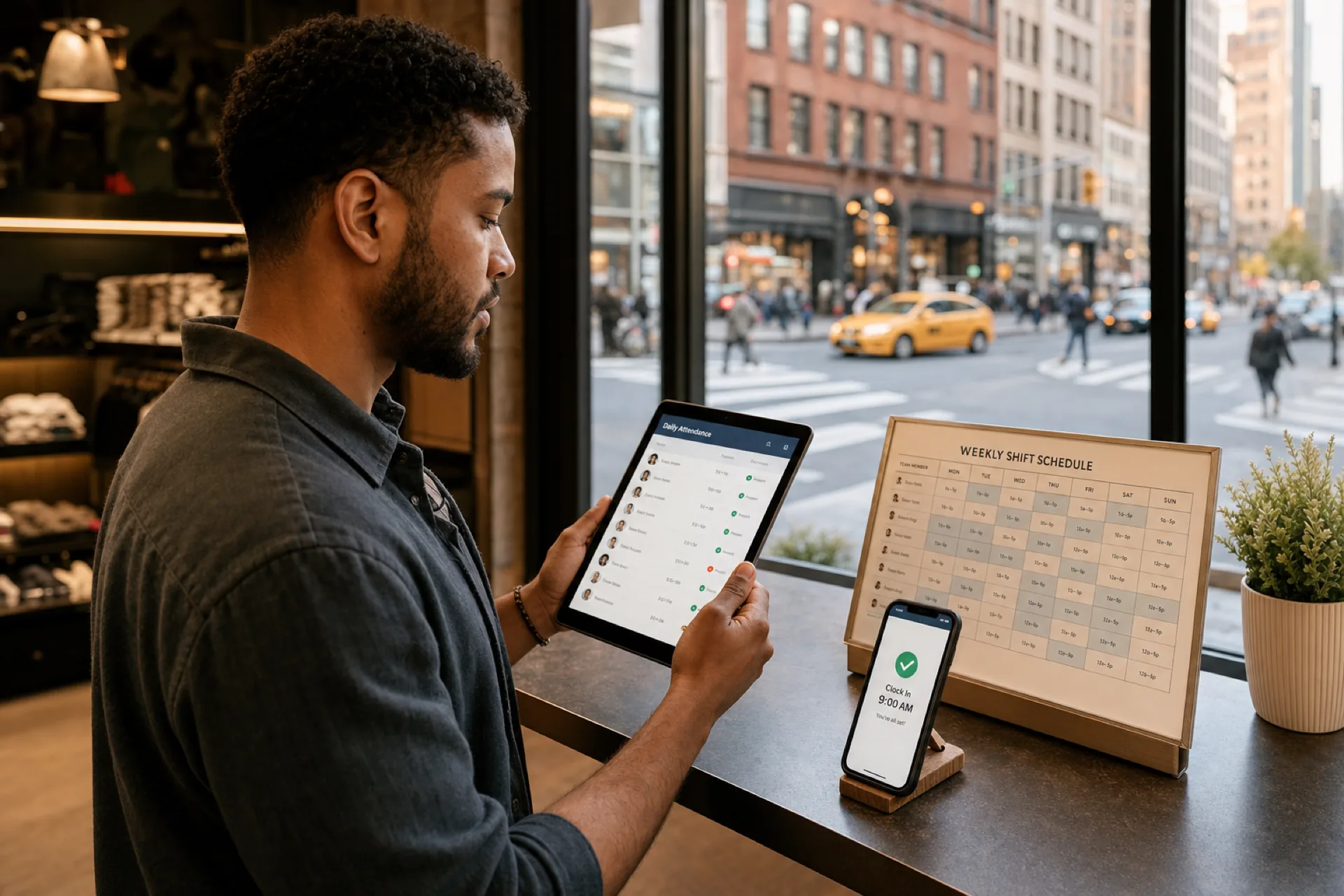
Availability should not live in texts that managers reread at midnight. When employee availability and leave requests sit next to the roster, planners can build coverage with fewer avoidable conflicts.
That matters for student-heavy, part-time, and multi-job restaurant teams, especially in cities where staff availability changes quickly.
Publishing discipline
The schedule should have a clear published version. After publish, swaps, callouts, and edits should move through approvals instead of side conversations that only one manager remembers.
For a startup restaurant, this keeps the operating rhythm simple: managers know what changed, staff know what is official, and ownership can review the week without chasing screenshots.
Labor visibility while planning
Restaurants do not need to wait until payroll closes to learn whether a week was overbuilt. Scheduling software should show labor context while managers are still making decisions.
Heyshift is built around that idea: compare staffing choices against finance-week context, then connect worked time and attendance signals back to what was actually published.
A simple rollout plan for one to five locations
Do not roll out scheduling software as a giant admin project. Start with the repeatable decisions that happen every week.
- Map locations, areas, and core roles.
- Add manager seats and the staff who need shift visibility.
- Bring in availability and leave rules before building the first live week.
- Create templates for common service patterns.
- Publish one schedule and route changes through approvals.
- Review labor and attendance variance after the week closes.
This keeps the first rollout close to real operations. The team learns inside the schedule they actually need to run, not a demo calendar that disappears after onboarding.