Skip to content
New York CityRestaurant schedulingHospitality operationsPublish disciplineWorkforce scheduling

NYC shift scheduling for restaurants, hotels, and bars without the group-chat roster

New York City restaurant, hotel, and bar owners run on thin margins and fast callouts. Publish-first scheduling keeps FOH, BOH, and late-night coverage on one official roster crews trust.

Heyshift Team5 min read
NYC shift scheduling for restaurants, hotels, and bars without the group-chat roster

Why NYC hospitality scheduling breaks in the group chat

New York City operators, whether you run a full-service restaurant, a cocktail bar, a boutique hotel, or a fast-growing startup opening your first room, share the same scheduling pressure: rent is high, demand swings by hour, and managers are on the floor more than they are at a desk.

The first version of the week usually works: a spreadsheet, a group chat, and one lead who remembers who said they could cover Thursday close. Then brunch rushes, banquet turnovers, last-call bar stacks, callouts, and “I picked up a shift at my other job” messages arrive from every direction.

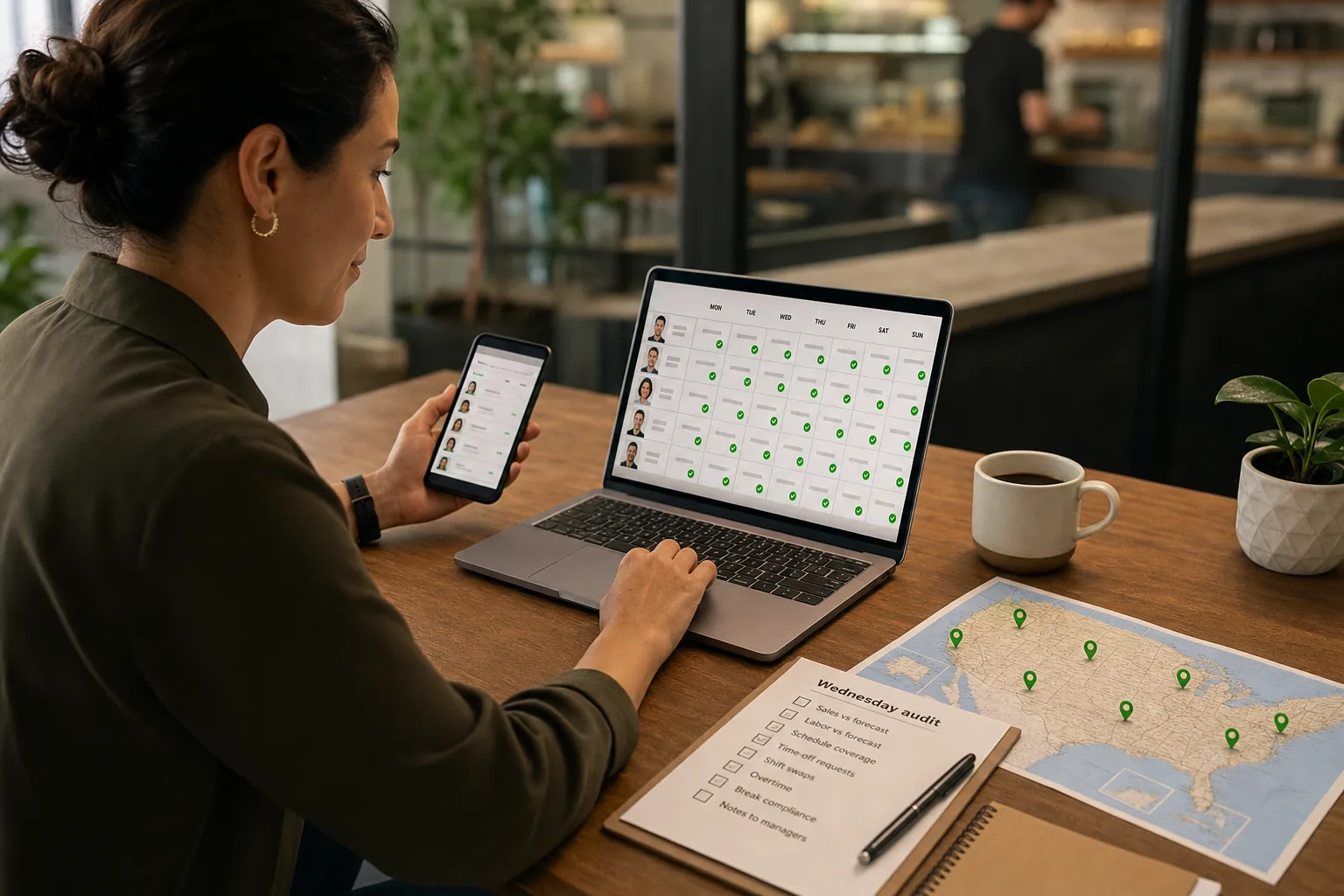
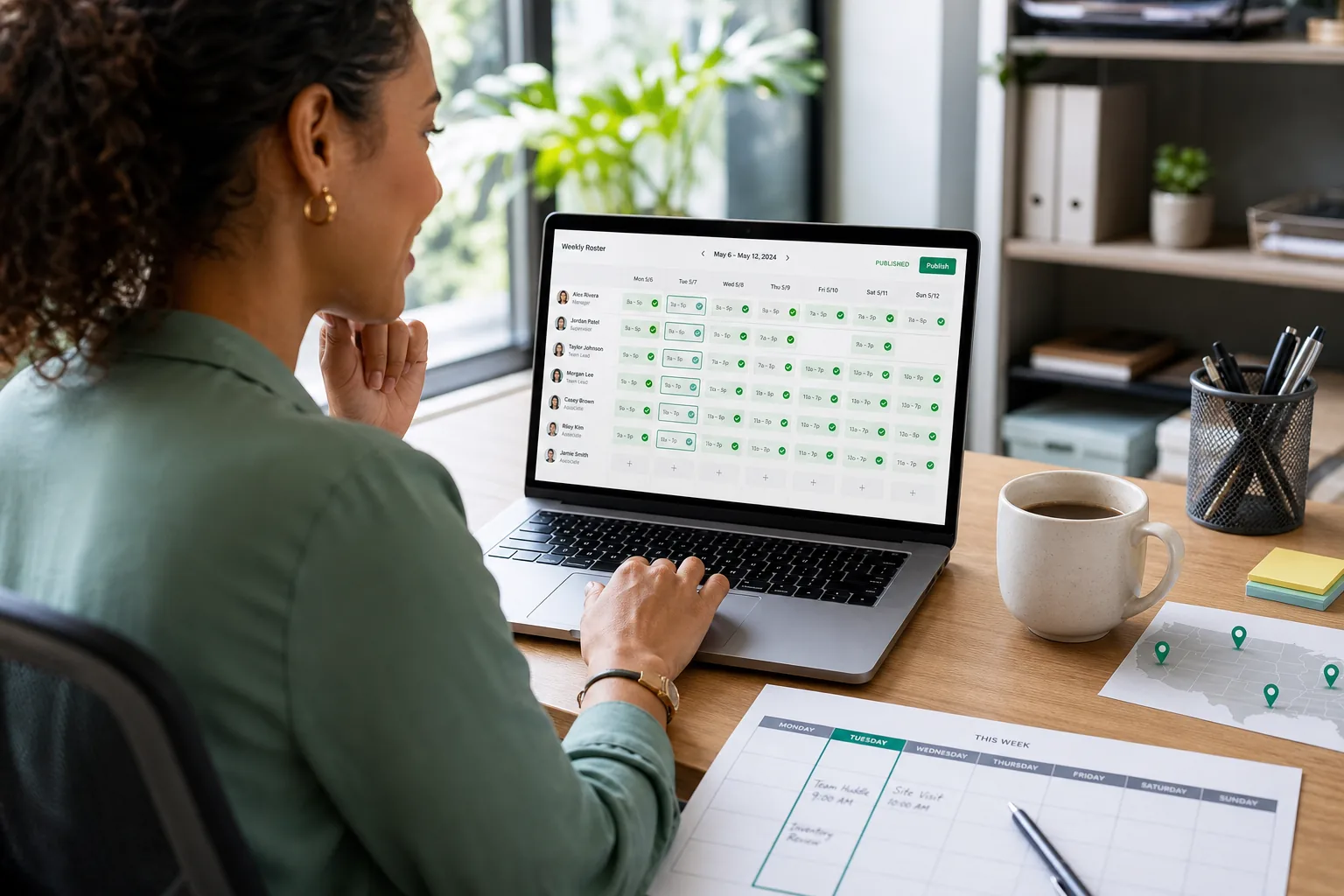
That is when you need shift scheduling software that does more than draw boxes on a grid. The goal is a published roster your hosts, servers, bartenders, line cooks, housekeepers, and night managers can open on mobile, and that ownership can trust when payroll week starts.

If you are scaling beyond one concept, see how restaurant shift scheduling for New York and California startups compares statewide; this post stays focused on NYC metro rhythms.


Restaurants, bars, and hotels share one problem (different stations)

NYC hospitality looks different on paper, but the scheduling failure mode is the same: two versions of the week, what was published and what managers patched in chat.

Venue type What the roster must separate Typical NYC crunch
Restaurant Dining room, bar, kitchen, expo, delivery handoff Brunch-to-dinner flip, patio weather, reservation spikes
Bar Well, floor, door, barback, security handoff Late-night volume, event nights, staff juggling day jobs
Hotel Front desk, housekeeping, F&B outlets, events Turnover windows, conference blocks, union-style notice habits

You do not need three different apps. You need areas or stations inside one publish flow so a bar lead and a dining manager are not editing parallel boards.

Heyshift models locations and areas so a group with a restaurant on one block and a hotel lobby on another, or multiple bars under one LLC, can still report the same way to ownership.


What to model before you publish the week

Answer-first checklist for owners and GMs:

  1. Locations and stations: Name the floor, bar, kitchen line, or housekeeping pod the way supervisors talk about coverage, not how payroll codes read internally.
  2. Roles with clear publish rules: Servers, bartenders, cooks, runners, hosts, housekeepers, and managers should see only what they need on mobile.
  3. Availability before build: In a city of part-time and multi-job staff, availability should sit next to the grid, not in DMs managers reread at midnight.
  4. One publish moment: After publish, callouts and swaps move through approvals on the official roster, not side threads only one person saw.
  5. Labor context while planning: Compare scheduled hours to finance-week targets before the week runs away; pair with shift scheduling and attendance so worked time ties back to what shipped.


Weekend and late-night without a second roster

NYC weekends are not “Saturday with more people.” They are separate service products: brunch, dinner, late bar, and sometimes a private event layered on top.

Operators who survive the weekend without OT surprises usually do three things before Friday:

  • Template the repeating windows: Brunch open, transition, close, and bar-only late crew as copyable patterns, not a blank grid every Thursday.
  • Post open shifts with claim rules: When someone drops, publish the open with escalation instead of “who can cover?” texts for tipped roles.
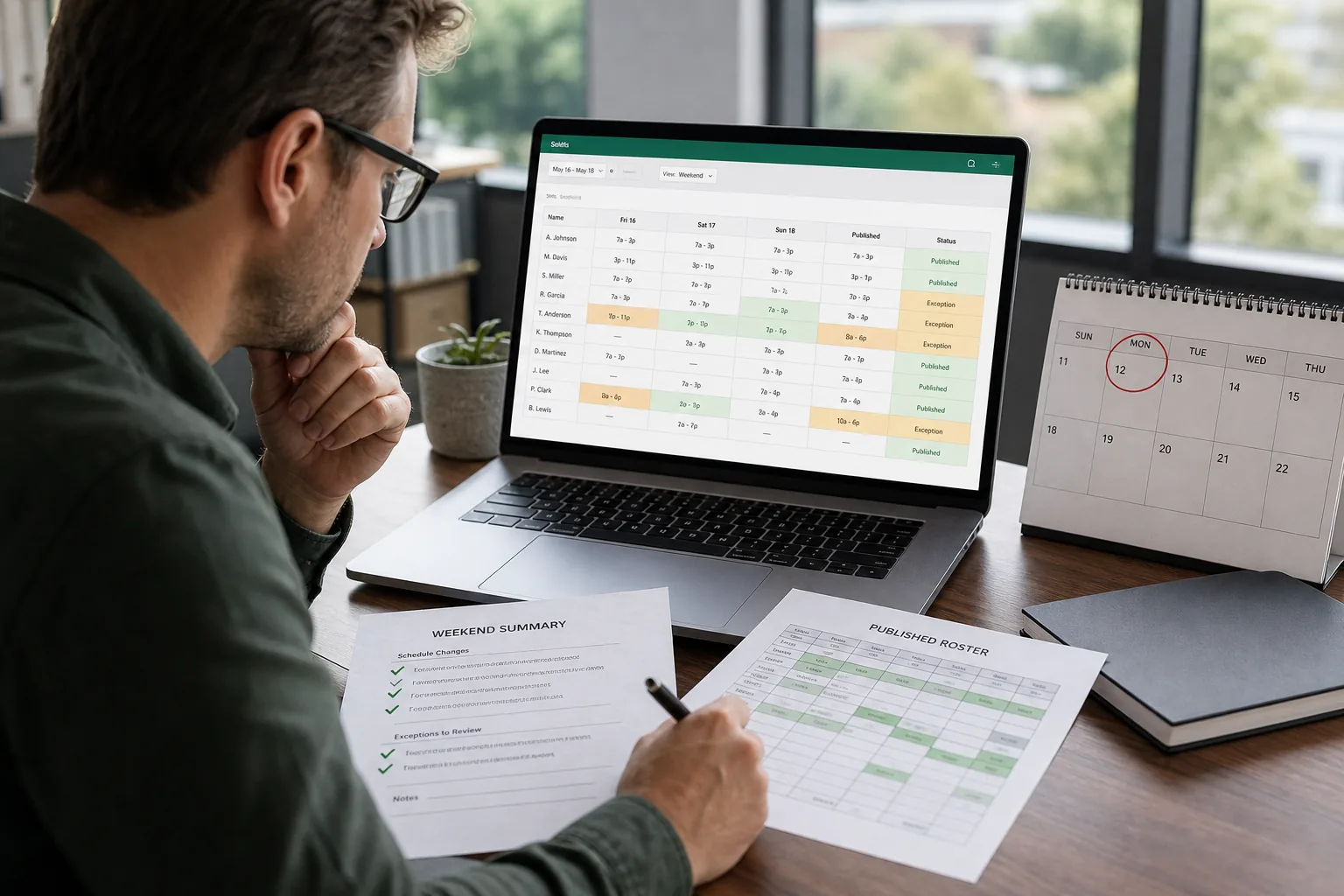
  • Run a pre-weekend publish checkpoint: Same habit as a Tuesday publish checkpoint: confirm the official roster through Sunday before the first rush.

For surge-specific playbooks, pair this with weekend surge staffing templates.


Rollout for one room or five concepts

You do not need a six-month transformation to get value from scheduling software.

Step Owner Outcome
Map sites and stations GM or ops lead Roster matches how the floor actually runs
Add manager seats + mobile for hourly Same Staff stop debating which screenshot is real
Import availability and leave rules HR or lead scheduler Fewer rebuilds mid-week
Publish one live week All leads Single source of truth
Route changes through approvals Managers on duty Audit trail before payroll

Startup operators opening a first NYC room should build the habit now: one place to plan, publish, and approve, before a second concept multiplies the chaos.

Multi-site groups can align vocabulary across Manhattan, Brooklyn, and Queens locations so regional rollups read the same even when ratios differ.

Explore shift scheduling for New York City teams for geo-specific context alongside this playbook.


NYC scheduling checklist (copy for your Monday)

  • Pull the published roster from last week forward through the coming Sunday.
  • Confirm bar, dining, and BOH (or front desk and housekeeping) are staffed for each service window you sell, not just total headcount.
  • List open shifts with claim rules before the dinner rush, not after.
  • Skim pending swaps against publish discipline so mobile matches the grid.
  • Note thin coverage with a named owner if a station breaks.

How Heyshift fits NYC hospitality

Heyshift is built for USA teams that need publish-first scheduling across locations: structured shifts, manager approvals, mobile visibility, and labor context beside the roster, so restaurant, bar, and hotel operators stop paying the tax of “which schedule was real?”

Start with the next week you already owe your team. If you can publish one clean roster your crew opens on mobile, you can repeat it through the next NYC weekend.

Compare pricing or book a demo with your actual stations and service windows. We will walk the grid against how you run brunch, bar, and overnight, not a canned deck.