


Best employee scheduling software for logistics companies (2026 buyer's guide)
Compare the best employee scheduling software for logistics companies in 2026. Reduce overtime, improve workforce management, and streamline attendance for warehouses, 3PLs, freight carriers, and delivery operations.
Best employee scheduling software for logistics companies (2026 buyer's guide)
Managing a logistics workforce is not just about filling shifts.
Every schedule affects warehouse productivity, delivery performance, labor costs, customer satisfaction, and employee morale. A single call-off can force supervisors to reshuffle dock staff, assign overtime, delay outbound shipments, or miss customer delivery windows. Multiply that across warehouses, distribution centers, drivers, dispatchers, and seasonal demand, and manual tools stop scaling fast.
That is why more USA logistics companies replace spreadsheets, whiteboards, and group chats with employee scheduling software built for modern workforce management.
Whether you operate a regional warehouse, a growing third-party logistics (3PL) company, a freight business, or a nationwide distribution network, the right logistics scheduling software helps your team spend less time managing schedules and more time moving products efficiently.
This guide compares the best employee scheduling software for logistics companies, explains what features actually matter, and helps you choose the right solution based on business size, workforce mix, and operational needs.
Featured answer: The best employee scheduling software for logistics companies combines publish-first shift planning, mobile access for drivers and warehouse staff, attendance tracking on the official roster, approved open-shift and swap paths, and multi-location visibility across distribution centers, terminals, and hubs. Operators should score vendors on a real logistics week: dock call-offs, driver coverage, dispatch handoffs, overtime before payroll, and multi-site roll-up clarity.
Who should read this: Operations managers, HR leaders, and owners at USA logistics businesses with roughly 20 to 500 employees who run warehouses, transportation, 3PL, courier, or last-mile networks.
For operational playbooks, read logistics workforce scheduling best practices. For warehouse floor depth, see best employee scheduling software for warehouses. For multi-site rollups, read best scheduling software for multi-location businesses. For evaluation criteria, see shift scheduling buyer's guide.
Compare labor cost signals with the overtime risk calculator and scheduling ROI calculator before you shortlist vendors.
Executive summary
If you are evaluating employee scheduling software for your logistics business, here is what this guide covers:
- Why manual scheduling creates hidden operational costs
- The biggest workforce challenges logistics companies face today
- Which scheduling features provide the greatest business value
- A detailed comparison of leading scheduling platforms
- How to choose software that scales as your business grows
- Common mistakes to avoid before purchasing
- Why many growing logistics companies move to integrated workforce management platforms
Table of contents
- Why employee scheduling matters in logistics
- The real cost of poor scheduling
- Business scenario: regional 3PL
- Why spreadsheets stop working
- Five signs you have outgrown spreadsheets
- Essential features to look for
- Modern logistics workflow
- Business results to expect
- Software comparison
- How to choose the right platform
- 90-day implementation roadmap
- Frequently asked questions
- Final recommendation
Why employee scheduling matters more than ever in logistics
The logistics industry has changed dramatically over the last decade. Customers expect faster deliveries. Warehouses process higher order volumes. Businesses operate across multiple locations. Labor shortages continue to challenge employers.
At the same time, managers are expected to reduce labor costs while maintaining excellent customer service. Scheduling has become one of the most important operational responsibilities inside a logistics business.
A well-planned schedule helps ensure:
- Every warehouse shift is fully staffed
- Drivers are assigned efficiently
- Overtime remains under control
- Employees know exactly when and where they are working
- Supervisors spend less time making last-minute schedule changes
Poor scheduling has the opposite effect. Small scheduling mistakes can quickly become expensive operational problems.
Explore employee scheduling software for USA hourly teams, warehouse scheduling software, and multi-location scheduling software.
The real cost of poor employee scheduling
Many logistics companies underestimate how much inefficient scheduling costs their business.
The obvious costs include overtime pay, payroll errors, missed shifts, and administrative work. The hidden costs are often much larger:
- Delayed shipments
- Lower warehouse productivity
- Driver frustration
- Higher employee turnover
- Customer complaints
- Increased hiring costs
- Supervisor burnout
These problems rarely happen because managers lack experience. They happen because manual scheduling tools cannot keep up with modern logistics operations.
Read prevent overtime before payroll and why spreadsheets fail for workforce scheduling.
A real logistics business scenario
Imagine a regional 3PL company operating across three distribution centers with 120 warehouse associates, 45 delivery drivers, 15 dispatch coordinators, and 8 warehouse supervisors.
Every Thursday afternoon, operations managers prepare schedules for the following week. By Friday morning, three employees have requested vacation, two drivers reported sick, one warehouse receives an unexpected inbound surge, and a large customer requests weekend fulfillment.
Managers now need to review multiple spreadsheets, call available employees, check overtime hours manually, update printed schedules, notify supervisors, and send messages to available staff. The process takes several hours and still leaves room for mistakes.
With centralized logistics workforce management software, managers can:
- View employee availability before publishing
- Identify employees approaching overtime
- Fill open shifts through approved pickup paths
- Notify employees through the mobile app
- Publish updated schedules instantly
- Monitor attendance from one dashboard
Instead of spending hours managing schedules, supervisors focus on warehouse operations and customer service. That is why scheduling software has become a critical operational tool for growing logistics companies.
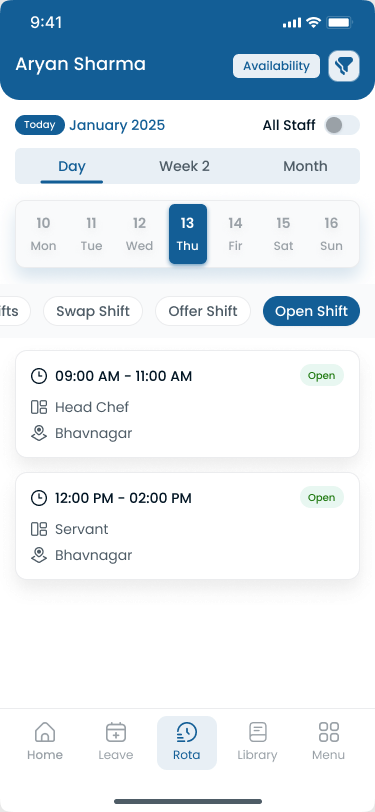
Regional logistics operators need dock, driver, and dispatch coverage visible in one roll-up before the week publishes.
Why spreadsheets eventually stop working
Most logistics companies begin with spreadsheets. They are inexpensive and familiar. For a small warehouse with 10 or 15 employees, spreadsheets may be adequate.
The challenge begins when the business grows. As more employees, locations, and shifts are added, spreadsheets become difficult to manage. Managers often experience:
- Multiple versions of the same schedule
- Scheduling employees during approved leave
- Double-booked shifts
- Slow communication
- Payroll corrections
- Increased overtime
- Lack of workforce visibility
Logistics scheduling software eliminates these problems by creating a single source of truth for the entire workforce.
See workforce scheduling software vs Excel.
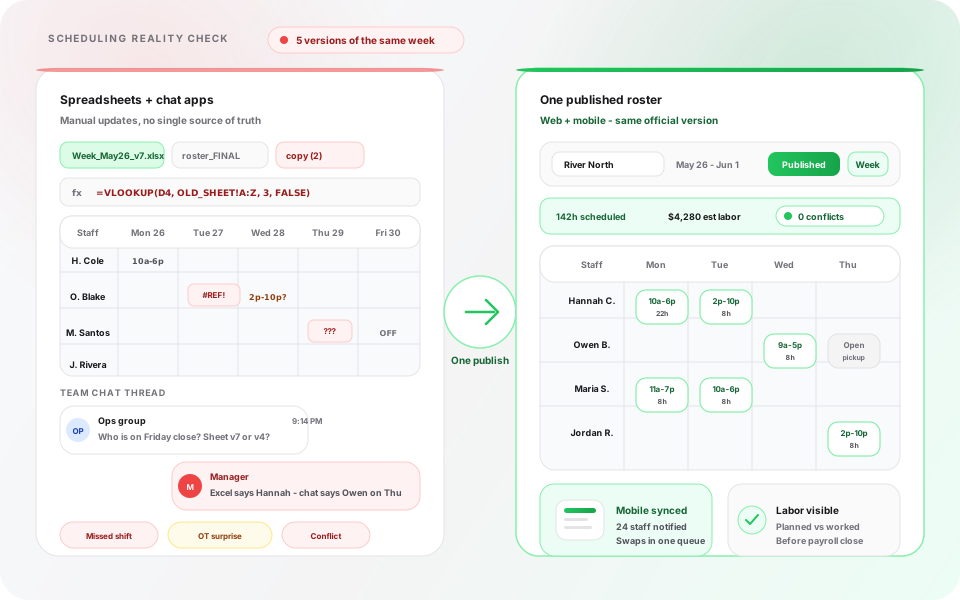
Manual tools create parallel schedules. Publish-first software gives the dock and the road one official week.
Five signs your logistics company has outgrown spreadsheets
-
Managers spend hours updating schedules. If supervisors spend several hours every week editing spreadsheets instead of managing operations, scheduling is a productivity bottleneck.
-
Employees frequently ask about their shifts. When staff regularly call, text, or message supervisors to confirm schedules, communication is not centralized.
-
Overtime continues to increase. Without visibility into employee hours, overtime accumulates before anyone notices.
-
Schedule changes create confusion. Last-minute updates become difficult when schedules exist across spreadsheets, emails, printed copies, and messaging apps.
-
Payroll corrections are becoming common. Attendance errors often begin with inaccurate schedules. If payroll adjustments happen regularly, scheduling may be contributing to the problem.
What to look for in employee scheduling software for logistics companies
Not all employee scheduling software is built for logistics operations. Retail and office teams often manage predictable shifts in one location. Logistics businesses coordinate warehouse associates, forklift operators, drivers, dispatchers, and supervisors across multiple facilities, sometimes 24 hours a day.
When evaluating logistics scheduling software, ask how each feature improves day-to-day operations, reduces administrative work, and supports growth.
1. Employee scheduling
Why it matters: Building schedules manually becomes difficult as your workforce grows. Managers must consider availability, warehouse demand, delivery schedules, approved leave, training, and labor budgets while ensuring every shift has the right coverage.
Look for the ability to create weekly schedules in minutes, copy recurring schedules, assign employees by location or role, publish instantly, fill open shifts quickly, and make changes without rebuilding the entire grid.
Business impact: Operations managers build schedules in minutes instead of spending hours updating spreadsheets every week.
See shift scheduling.
2. Attendance tracking
Why it matters: Knowing who is actually at work is as important as knowing who was scheduled. If two warehouse employees do not arrive and supervisors do not know until trucks begin unloading, productivity suffers immediately.
Look for clock-in and clock-out tracking, attendance history, late arrival visibility, missed shift alerts, and payroll-ready records tied to published shifts.
Business impact: Accurate attendance reduces payroll disputes, improves accountability, and helps managers respond quickly when employees are absent.
See attendance tracker and employee attendance tracking guide.
3. Employee availability and leave management
Why it matters: One of the most common scheduling mistakes is assigning employees who are not available. Without centralized availability, supervisors discover conflicts only after schedules publish.
Employees should submit vacation, sick leave, and availability changes. Managers should approve requests before creating schedules.
Business impact: Fewer schedule revisions and less frustration for employees and supervisors.
See leave management and people availability.
4. Shift swapping and open shift management
Why it matters: Unexpected schedule changes are part of every logistics operation. Instead of dozens of phone calls, managers should publish open shifts that qualified employees can request from the mobile app.
Business impact: Shift swaps reduce administrative work, improve employee satisfaction, and help maintain full shift coverage without increasing overtime.
Read open shift and swap approvals and employee shift swapping best practices.
5. Mobile workforce management
Why it matters: Drivers are on the road. Warehouse associates work on the floor. Supervisors move throughout the facility. They need schedule access wherever they are.
A mobile app should let employees view shifts, receive updates, accept open shifts, submit leave requests, and view approved time off. Managers should approve requests and update schedules without returning to the office.
Business impact: Real-time communication reduces missed shifts, eliminates confusion, and keeps the workforce connected.
See mobile app and mobile workforce management guide.
6. Multi-location workforce management
Why it matters: Many logistics businesses expand beyond a single warehouse. Managers often oversee distribution centers, cross-docks, regional warehouses, transportation hubs, and local depots.
Look for a centralized dashboard where managers monitor staffing across every facility.
Business impact: Centralized scheduling improves visibility and allows managers to move employees between locations when demand changes.
See multi-location areas and multi-location workforce management guide.
7. Workforce reporting and labor visibility
Why it matters: Good scheduling decisions are based on data, not guesswork. Reporting helps managers answer which departments generate the most overtime, which shifts see the highest absenteeism, and which locations need additional staffing.
Useful reports include attendance trends, labor utilization, overtime reports, leave balances, staffing coverage, and hours worked.
Business impact: These insights help logistics companies reduce labor costs while improving operational planning.
From schedule creation to payroll: a modern logistics workflow
Modern employee scheduling software supports the entire workforce management process, not just creating schedules:
- Forecast labor demand
- Build weekly schedule
- Publish schedules
- Employees receive mobile notifications
- Availability and leave updates
- Shift swaps and open shift requests
- Attendance tracking
- Overtime monitoring
- Payroll preparation
- Workforce reporting
Instead of relying on separate spreadsheets, printed schedules, messaging apps, and attendance systems, logistics companies manage the workflow from one platform.
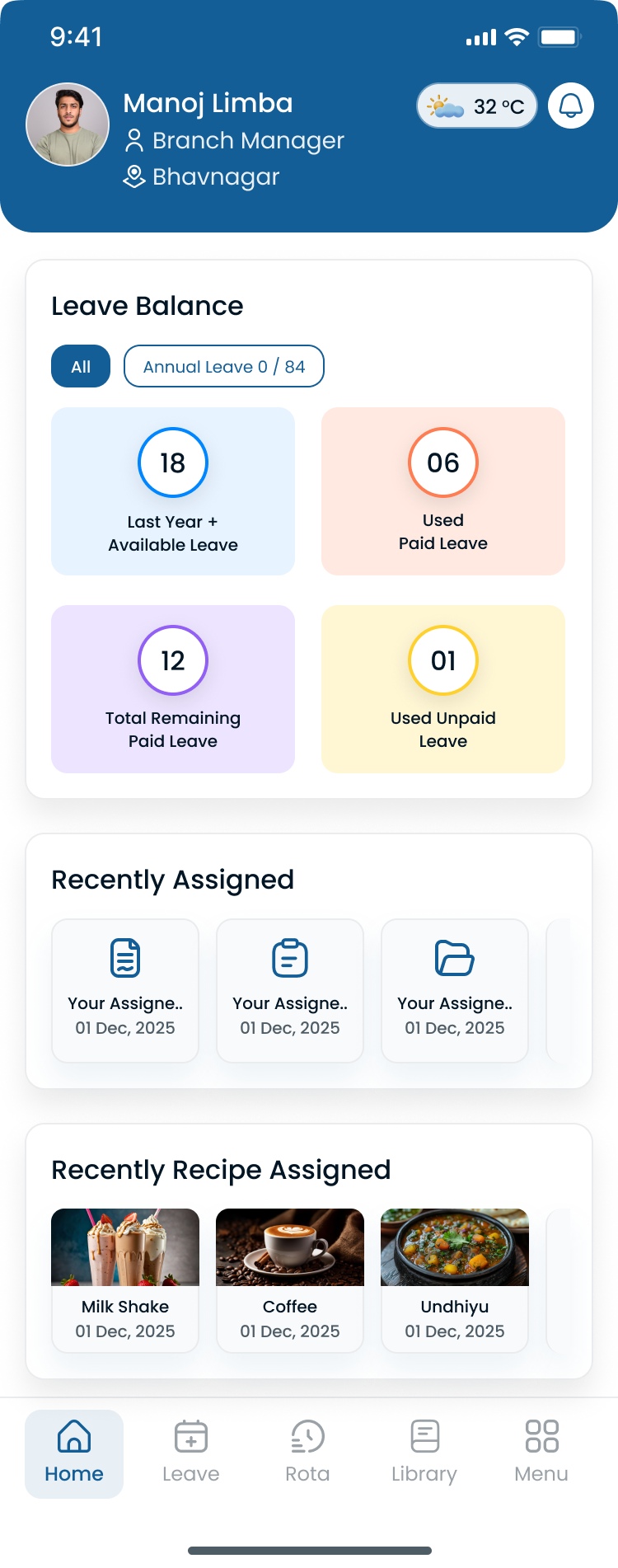
Operations managers should see roles, sites, and hour totals in one grid while building the week, not after payroll export.
What business results should you expect?
Implementing logistics scheduling software is not just about saving time. It can improve day-to-day operations across your business.
| Operational challenge | How scheduling software helps |
|---|---|
| Managers spend hours creating schedules | Build and publish schedules faster with templates |
| Employees miss schedule updates | Instant mobile notifications on the official roster |
| Overtime continues to increase | Visibility into employee hours before publish |
| Payroll corrections are common | Accurate attendance records improve payroll accuracy |
| Multiple warehouses are difficult to coordinate | Centralized scheduling across locations |
| Employees frequently call supervisors about schedules | Self-service access through a mobile app |
While results vary by organization, the biggest benefit is often improved visibility. Managers spend less time reacting to staffing issues and more time optimizing warehouse operations, customer service, and labor efficiency.
Use the scheduling ROI calculator and employee scheduling software ROI guide when building an internal business case.
Implementation checklist: before you choose a scheduling platform
Before selecting employee scheduling software, use this checklist to compare vendors:
- Supports warehouse and driver scheduling
- Includes attendance tracking tied to published shifts
- Offers leave management with approval paths
- Allows employee shift swaps and open shift pickup
- Provides a mobile app for deskless employees
- Supports multiple warehouses or locations
- Includes workforce reporting and hour visibility while planning
- Easy for managers and employees to learn
- Can scale as the business grows
- Offers a free trial or product demonstration
Using this checklist helps ensure you evaluate software based on business needs rather than feature lists alone.
Read employee scheduling software cost and compare tiers on pricing.
Best employee scheduling software for logistics companies compared
Choosing the right platform should improve workforce visibility, reduce overtime, simplify attendance tracking, and support business growth.
Below are five platforms USA logistics operators commonly evaluate. None is perfect for every network. A regional warehouse with 30 employees has different needs than a national 3PL with multiple distribution centers.
1. Heyshift
Best for: growing logistics companies (20 to 500 employees) that want scheduling, attendance, and multi-location workforce management together.
Heyshift helps logistics businesses manage workforce scheduling, attendance tracking, leave management, and communication in one platform. Managers coordinate warehouse teams, drivers, dispatchers, and supervisors from one dashboard.
Ideal for: warehousing, distribution centers, 3PL, freight companies, delivery operations, and multi-location logistics businesses.
Key features
- Role-based schedules (driver, dispatcher, receiver, picker, supervisor)
- Shift templates for peak season and weekend surges
- Publish-first week views for operations managers
- Mobile app for drivers and floor staff on every plan
- Attendance tracking tied to published shifts
- Open shifts and swap approvals on the official roster
- Multi-location areas for DCs, terminals, and regions
Pros
- Easy to learn with modern interface
- Employee scheduling, attendance, leave, and shift swapping in one platform
- Multi-location support and workforce reporting
- 30-day free trial with all features unlocked
- Staff mobile access included without billing every hourly worker as a separate mobile seat
Consider
- Larger enterprise organizations with thousands of employees may require specialized workforce planning beyond most mid-sized logistics needs
Start 30-day free trial or book a demo for multi-site rollouts.
2. Deputy
Best for: large enterprise logistics operations prioritizing automated scheduling and compliance tooling.
Strengths: automated scheduling, labor compliance, time tracking, enterprise reporting, strong integrations.
Considerations: pricing can increase as workforce size grows; smaller businesses may find the platform more complex than necessary; validate publish-first habits and multi-location roll-up on your dock-and-driver week.
See Deputy alternative.
3. Connecteam
Best for: mobile logistics and delivery teams that prioritize communication alongside scheduling.
Strengths: excellent mobile experience, employee communication, digital forms, task management.
Considerations: advanced workforce analytics may require higher-tier plans; complex warehouse scheduling may need workflow customization; confirm hour visibility while planning on the tier you need.
4. Sling
Best for: budget-friendly scheduling for small warehouses and local logistics businesses replacing spreadsheets.
Strengths: affordable entry pricing, easy scheduling, team communication.
Considerations: basic reporting, limited workforce analytics, fewer advanced workforce management capabilities as you add sites.
See Sling alternative.
5. Homebase
Best for: small single-location operations with straightforward weekly patterns.
Strengths: easy implementation, time tracking, simple scheduling.
Considerations: better suited to single-location businesses; limited scalability for growing logistics organizations.
See Homebase alternative.
For field-heavy fleets, also read best employee scheduling software for field service teams.
Comparison matrix
| Evaluation criteria | Heyshift | Deputy | Connecteam | Sling | Homebase |
|---|---|---|---|---|---|
| Best team size | 20 to 500 | 100+ | 20 to 300 | Small | Small |
| Warehouse operations | Strong | Strong | Good | Good | Basic |
| Driver scheduling | Strong | Good | Strong | Good | Basic |
| Multi-warehouse support | Excellent | Excellent | Good | Limited | Limited |
| Employee scheduling | Yes | Yes | Yes | Yes | Yes |
| Attendance tracking | Yes | Yes | Yes | Basic | Yes |
| Leave management | Yes | Yes | Yes | Basic | Basic |
| Shift swapping | Yes | Yes | Yes | Yes | Limited |
| Mobile workforce | Excellent | Excellent | Excellent | Good | Good |
| Ease of setup | Easy | Moderate | Easy | Easy | Easy |
| Best for | Growing logistics | Enterprise logistics | Mobile teams | Budget teams | Small operations |
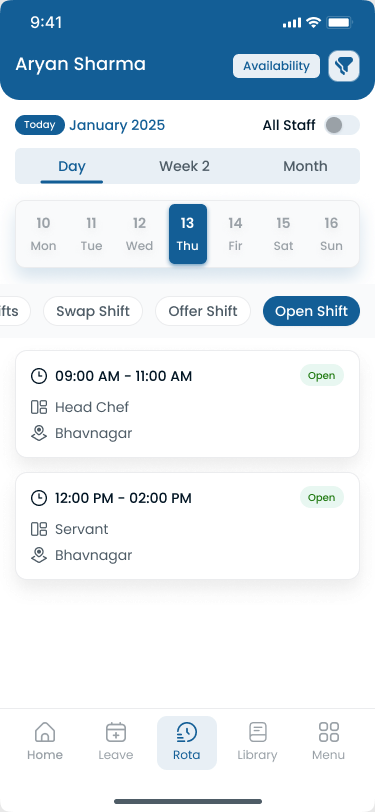
Logistics scheduling software fails adoption when floor staff and drivers keep checking a shadow schedule in group chat instead of the official mobile view.
Which software should you choose?
Choose Heyshift if you have 20 to 500 employees, manage warehouse staff and drivers across locations, want scheduling and attendance in one platform, and need software that is easy to implement.
Choose Deputy if you manage a large enterprise workforce, compliance and workforce forecasting are major priorities, and you require extensive enterprise integrations.
Choose Connecteam if most employees work in the field, mobile communication is your highest priority, and delivery teams make up the majority of your workforce.
Choose Sling if you are replacing spreadsheets on a limited budget and your scheduling needs are relatively simple.
Choose Homebase if you operate a small warehouse with straightforward scheduling and do not expect significant workforce growth in the near future.
Score vendors on a real logistics week: dock call-off volume, driver mobile adoption, dispatch handoff clarity, overtime before payroll, and multi-DC roll-up visibility.
Common buying mistakes to avoid
Choosing software that does not scale: your workforce today may have 30 employees. Next year it could have 100. Choose software that grows with your business.
Ignoring mobile experience: warehouse employees and drivers rely on mobile devices. If the employee experience is poor, adoption will be poor.
Buying multiple separate systems: using one application for scheduling, another for attendance, and another for leave management creates unnecessary complexity. An integrated platform is usually easier to manage.
Focusing only on features: the longest feature list does not always deliver the best business outcome. Evaluate how much time the platform saves managers, how easily employees use it, and whether it reduces operational complexity.
Skipping the publish workflow: if managers still treat chat or Excel as the real schedule after go-live, you paid for another tab, not workforce management.
Read shift scheduling software buyer's guide before you finalize budget.
How to choose the right employee scheduling software for your logistics business
No two logistics businesses operate the same way. A local warehouse with 25 employees has different needs than a national 3PL managing hundreds of associates, drivers, and dispatchers across multiple facilities.
Do you manage employees across multiple locations?
If your business operates more than one warehouse, distribution center, or transportation hub, choose software with centralized multi-location scheduling. Managing separate schedules for each location quickly becomes difficult as your workforce grows.
Do employees frequently request schedule changes?
If managers spend significant time handling leave requests, shift swaps, or availability changes, look for software that gives employees self-service access through a mobile app while managers retain approval control.
Is overtime becoming difficult to control?
Good scheduling software helps managers identify employees approaching overtime, balance workloads, fill open shifts efficiently, and improve workforce utilization before publish.
Do supervisors spend too much time building schedules?
If supervisors regularly spend several hours updating spreadsheets, calling employees, and resolving scheduling conflicts, modern scheduling software can significantly reduce administrative effort.
Will the software still meet your needs in three years?
Ask whether you plan to open another warehouse, hire more drivers, double headcount, or expand into new regions. Choosing scalable software now can prevent another migration later.
90-day implementation roadmap
Days 1 to 30: build the foundation
- Import employees and define departments and locations
- Create shift templates and configure employee roles
- Train supervisors on publish rhythm
- Focus on accuracy rather than speed in the first month
Days 31 to 60: begin daily scheduling
- Managers create schedules in the platform instead of spreadsheets
- Employees use the mobile app to view schedules, receive notifications, request leave, and accept open shifts
- Managers become familiar with reporting and attendance tracking
Days 61 to 90: optimize workforce management
- Identify overtime trends and improve shift coverage
- Monitor attendance patterns and balance workloads between locations
- Reduce scheduling conflicts using workforce data
By the end of the first three months, most organizations transition away from manual scheduling entirely.
Pair rollout with logistics workforce scheduling best practices and weekend surge staffing templates.
Expected business outcomes
| Business goal | Expected operational improvement |
|---|---|
| Reduce administrative work | Managers spend less time creating and updating schedules |
| Improve communication | Employees receive schedule updates instantly |
| Reduce overtime | Better visibility into employee hours before publish |
| Improve attendance | Supervisors identify staffing issues earlier |
| Increase workforce visibility | Centralized scheduling across locations |
| Improve employee experience | Self-service scheduling through a mobile app |
| Simplify payroll | Accurate attendance records reduce payroll corrections |
Rather than focusing on one metric, most businesses see improvements across scheduling efficiency, communication, labor visibility, and workforce coordination.
Industry context and labor trends
Logistics is a labor-intensive industry. The U.S. Bureau of Labor Statistics transportation and warehousing overview covers employment trends across trucking, couriers, warehousing, and support roles.
Scheduling software does not replace compliance systems for regulated driving hours. It does give operations managers one published roster for warehouse and support staff, clear mobile access for deskless teams, and hour visibility while planning so overtime is a decision, not a surprise.
The BLS Occupational Outlook Handbook for material movers notes steady demand for warehouse and fulfillment roles tied to e-commerce and supply chain volume.
Frequently asked questions
What is employee scheduling software for logistics companies?
Software that helps logistics companies create employee schedules, manage shift planning, track attendance, approve leave requests, communicate with employees, and coordinate work across warehouses, distribution centers, and transportation teams from one published roster.
Can scheduling software reduce overtime?
Yes. By giving managers visibility into employee hours before schedules are published, scheduling software helps distribute work more evenly and reduces unnecessary overtime. Pair software with the overtime risk calculator.
Is employee scheduling software suitable for small logistics businesses?
Yes. Small logistics companies often benefit the most because replacing spreadsheets can save managers several hours every week while improving communication with employees.
Can the software manage multiple warehouses?
Most modern workforce management platforms support multiple locations. Managers can create schedules, monitor attendance, and oversee staffing across warehouses, distribution centers, and regional facilities from one dashboard.
Is training required?
Most cloud-based scheduling platforms are designed to be easy for both managers and employees. Many businesses begin creating schedules within a few days, while employees typically learn the mobile app with minimal training.
How much does employee scheduling software cost?
Pricing varies by provider, employee count, and features. Some platforms charge per employee each month, while others offer tiered pricing by business size. Compare total cost at your headcount on pricing and employee scheduling software cost.
What features should logistics companies prioritize?
Employee scheduling with publish discipline, attendance tracking, shift planning, leave management, employee availability, shift swapping, mobile access, multi-location management, and workforce reporting.
How is logistics scheduling different from warehouse scheduling alone?
Logistics adds drivers, dispatchers, route coverage, and cross-dock handoffs across a broader network. Warehouse scheduling focuses on floor zones inside a single DC. Many 3PL operators need both patterns in one account.
Does scheduling software replace hours-of-service compliance for drivers?
No. Regulated driving hours belong in compliance systems your safety team already uses. Scheduling software coordinates the published roster, mobile access, swaps, and attendance for warehouse and support staff alongside driver bands.
How should operators evaluate vendors fairly?
Score each platform on a real logistics week: dock call-offs, driver mobile adoption, dispatch handoffs, overtime before payroll, and multi-site roll-up. Run a two-week pilot at one site with dispatch, a floor supervisor, and payroll in the review.
Final thoughts
As logistics businesses grow, workforce scheduling becomes increasingly complex. Managing warehouse employees, drivers, dispatchers, and supervisors across multiple locations using spreadsheets often creates unnecessary administrative work, communication gaps, and overtime costs.
Modern employee scheduling software simplifies these processes by bringing scheduling, attendance tracking, leave management, workforce communication, and reporting together in one platform.
The right solution gives managers better visibility, improves employee communication, and supports more informed workforce planning as your business expands.
Why growing logistics companies choose Heyshift
Heyshift is designed for businesses that need a simple, scalable workforce management platform without the complexity often associated with enterprise software.
With Heyshift, logistics companies can:
- Build schedules in minutes
- Track attendance in real time
- Manage leave requests
- Support shift swaps
- Coordinate multiple warehouses
- Keep employees informed through a mobile app
- Improve workforce visibility from one centralized dashboard
Whether you manage a regional warehouse, a growing 3PL company, or multiple distribution centers, Heyshift helps reduce administrative work so your team can focus on running efficient operations.
Start your 30-day free trial (no credit card required) or book a demo to map your first publish week across sites.
One line to keep: one published roster for the dock and the road, one mobile view teams trust before shift start.
Continue with related topics
Pulled from shared tags when possible, otherwise the newest notes from the blog.
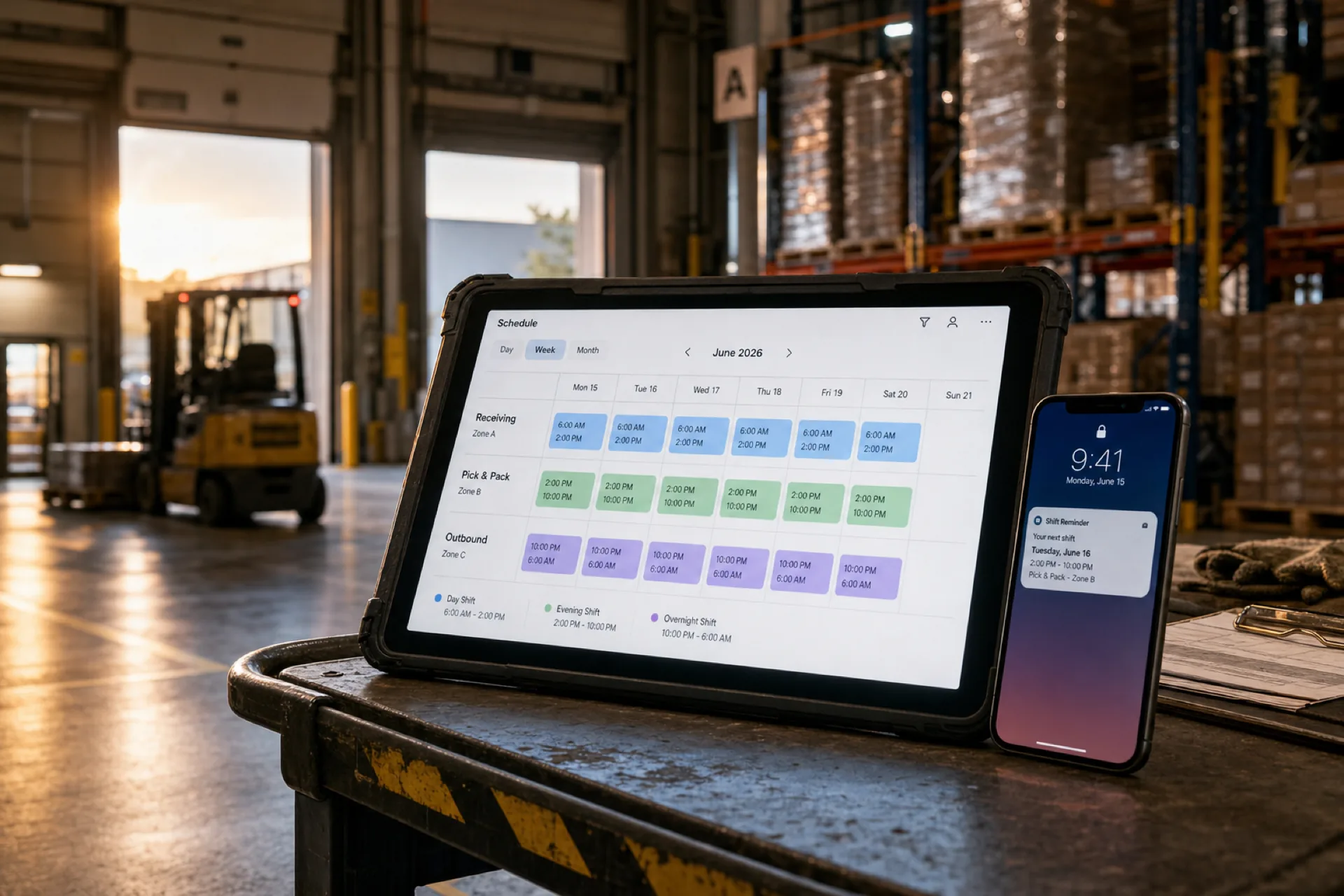
Best employee scheduling software for warehouses (2026 guide)
Compare the best employee scheduling software for warehouses in 2026: multi-shift scheduling, attendance tracking, overtime visibility, and workforce management for distribution centers and fulfillment teams.
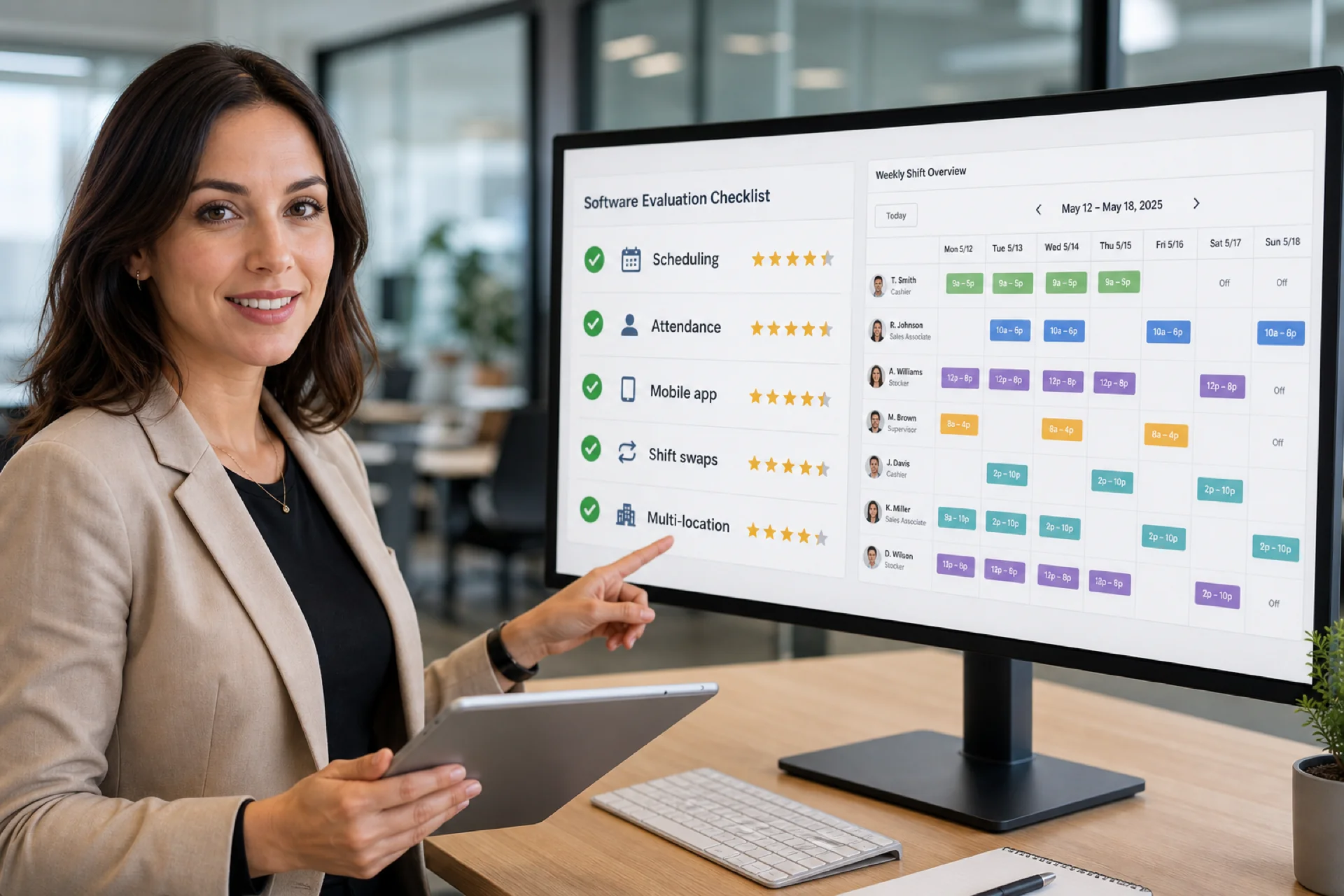
Shift scheduling software buyer's guide: what to look for before you buy (2026)
Buying shift scheduling software in 2026? Use this buyer's guide for essential features, common mistakes, pricing checks, and questions to ask before you sign.

Best scheduling software for multi-location businesses (2026 guide)
Compare the best scheduling software for multi-location businesses in 2026: centralized schedules, attendance, labor visibility, and workforce communication across every site.