

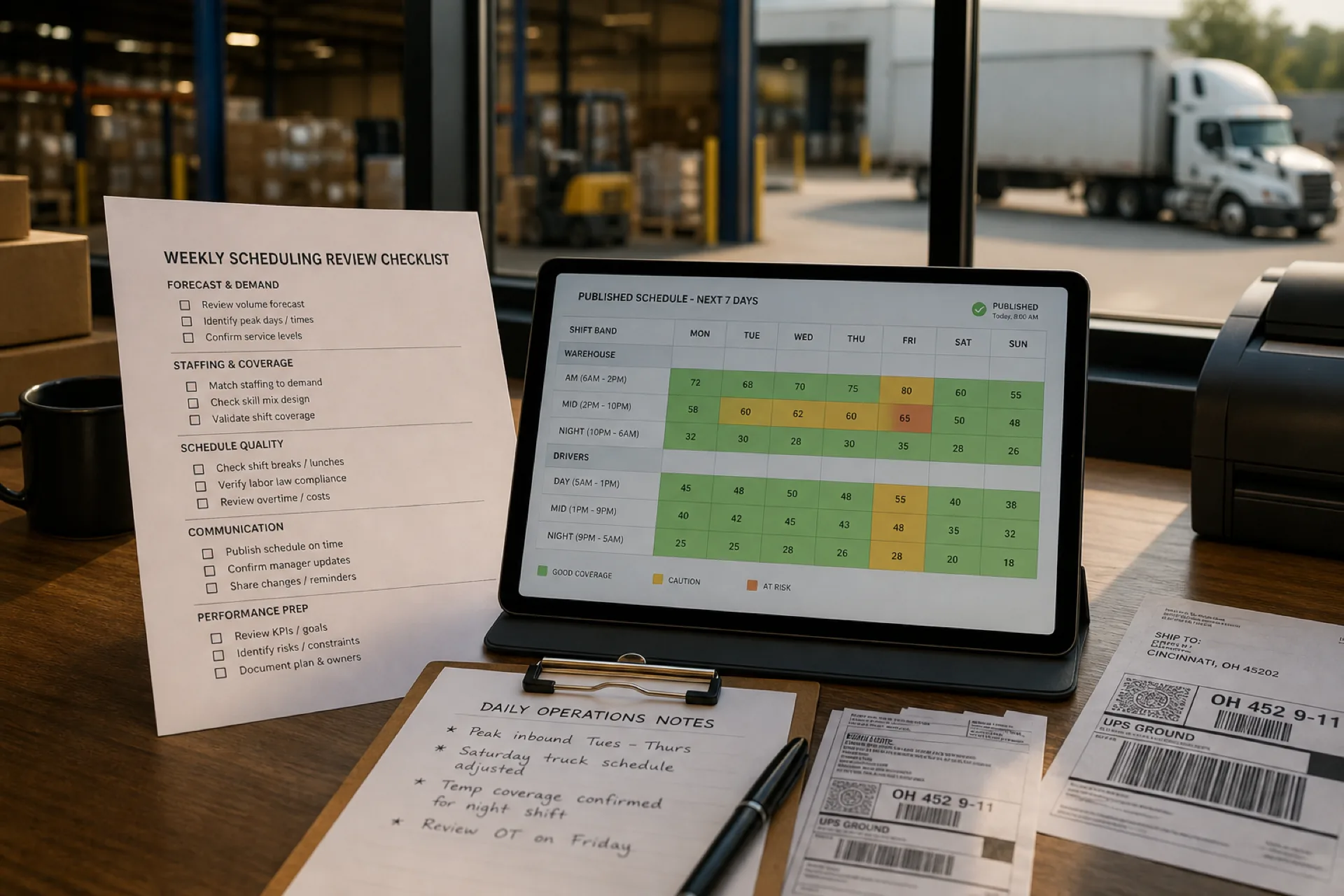
Logistics workforce scheduling best practices: 10 proven ways to improve operations (2026)
Learn logistics workforce scheduling best practices to reduce overtime, improve employee productivity, optimize warehouse staffing, and build more efficient schedules for USA logistics teams.
Logistics workforce scheduling best practices (2026)
Efficient workforce scheduling is one of the biggest competitive advantages a logistics company can have.
Whether you manage a warehouse, a third-party logistics (3PL) business, a transportation company, or a regional distribution network, your employees are the engine that keeps operations moving.
When schedules are well planned, orders process faster, trucks leave on time, overtime stays under control, employees know where they need to be, and customers receive deliveries on schedule.
Poor scheduling creates the opposite effect: managers spend hours updating spreadsheets, employees miss shift changes, labor costs increase, warehouse productivity declines, and customer satisfaction suffers.
As logistics operations become more complex, logistics workforce scheduling must evolve beyond spreadsheets and manual planning. Start from free shift pattern templates such as the 8-hour shift schedule template, 2-2-3 Panama schedule template, and 4-on 4-off shift schedule template before you move into software.
This guide explains ten proven logistics workforce scheduling best practices used by successful logistics companies to improve productivity, reduce overtime, and build a more reliable workforce.
Featured answer: Logistics workforce scheduling best practices help businesses assign the right employees to the right shifts while balancing labor costs, employee availability, warehouse demand, and operational efficiency. Effective scheduling combines workforce planning, attendance tracking, real-time communication, and data-driven decision making to improve productivity and reduce overtime.
Who should read this: Operations managers, dispatch leads, and HR partners at USA logistics businesses with 20 to 500 employees who run warehouses, 3PL, courier, or transportation networks.
Compare platforms in best employee scheduling software for logistics companies (2026). For DC floor depth, see best employee scheduling software for warehouses. Explore warehouse scheduling software and employee scheduling software for USA hourly teams.
Use the overtime risk calculator and manager time savings calculator to quantify labor and admin impact as you adopt these habits.
Executive summary
In this guide you will learn:
- Why workforce scheduling is critical for logistics businesses
- The most common scheduling mistakes
- Ten practical scheduling best practices
- How to reduce overtime without reducing productivity
- Ways to improve employee communication
- When it is time to replace spreadsheets with scheduling software
Table of contents
- Why workforce scheduling matters
- Hidden cost of poor scheduling
- Real logistics example
- 10 best practices
- Common scheduling mistakes
- Signs it is time to upgrade
- Scheduling maturity model
- Implementation checklist
- Frequently asked questions
- Final thoughts
Why workforce scheduling matters in logistics
Unlike many industries, logistics businesses rarely operate on fixed schedules.
Daily operations change constantly because of customer demand, seasonal volume, traffic delays, employee absences, delivery schedules, equipment availability, weather disruptions, and last-minute shipping requests.
Managers must continuously adjust staffing while maintaining service levels. A well-planned schedule keeps warehouse operations running efficiently even when priorities change.
The U.S. Bureau of Labor Statistics transportation and warehousing overview covers employment trends across trucking, couriers, warehousing, and support roles. When schedules drift, operators pay twice: once in overtime and idle dock time, and again in manager hours spent rebuilding rosters in chat.
Read multi-location workforce management guide when your network outgrows one file.
The hidden cost of poor workforce scheduling
Many companies focus only on overtime costs. Inefficient scheduling affects much more than payroll.
Poor scheduling can result in:
- Understaffed warehouse shifts
- Delayed order fulfillment
- Employee burnout and increased turnover
- Lower picking accuracy
- Customer complaints
- Higher recruitment costs
- Reduced supervisor productivity
Small scheduling problems often become operational problems throughout the supply chain.
| Impact area | What operations and customers feel |
|---|---|
| Delivery performance | Missed windows, late outbound, idle dock time |
| Warehouse throughput | Pick-pack bottlenecks, receiving backlogs |
| Labor cost | Overtime from reactive staffing, uneven hour stacking |
| Team morale | Unfair shift rotation, constant text-based changes |
| Manager time | Hours rebuilding rosters instead of fixing bottlenecks |
See prevent overtime before payroll and why spreadsheets fail for workforce scheduling.
A real logistics example
Imagine a distribution company operating two warehouses with 95 warehouse employees and 30 drivers.
Every week, supervisors create schedules using spreadsheets. When customer demand changes, updating schedules becomes difficult. Employees receive conflicting shift information. Overtime increases because supervisors lack visibility into employee hours. Warehouse managers spend more time fixing schedules than improving operations.
After implementing structured scheduling processes and centralized logistics workforce management, the company gains:
- Better staffing visibility
- Faster schedule updates
- Improved employee communication
- More balanced workloads
- Fewer payroll corrections
- Better on-time shipment performance
The improvement comes from following consistent scheduling practices, not simply working harder.
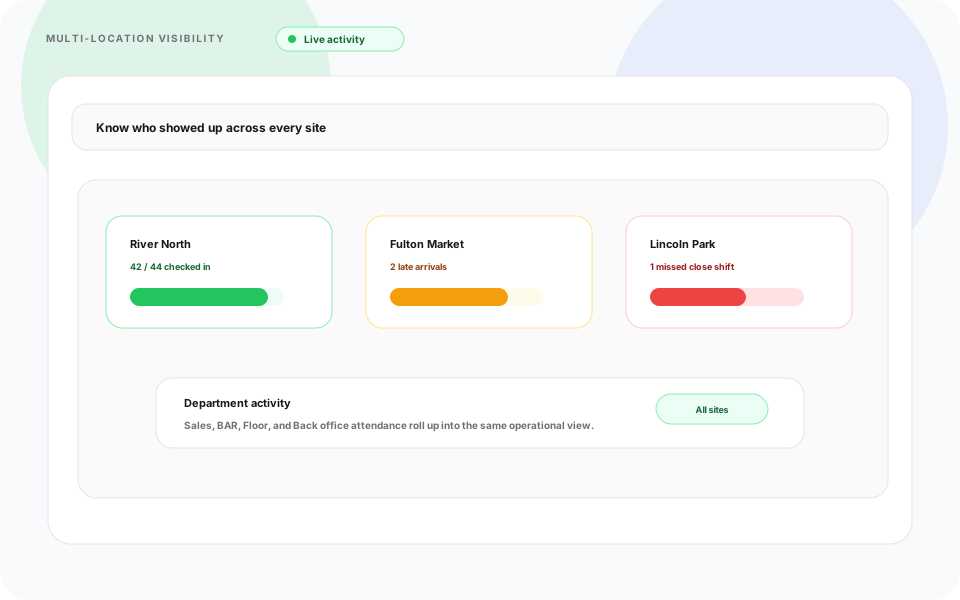
Weekly review works best when regional leads see every site in one account, not merged spreadsheet tabs.
Best practice #1: Forecast labor demand before building schedules
One of the biggest scheduling mistakes is creating schedules before understanding workload.
Instead, start with operational forecasts. Review expected order volume, inbound shipments, outbound deliveries, seasonal demand, customer commitments, and historical staffing data.
By forecasting demand first, managers assign the right number of employees to each department rather than reacting after schedules have already been published.
Block capacity by function: receiving, pick-pack, outbound, dispatch, and driver coverage. The BLS material recording and warehouse associate outlook highlights ongoing demand for fulfillment roles tied to e-commerce volume.
Business impact: Accurate forecasting reduces both understaffing and unnecessary overtime while improving warehouse productivity.
See workforce forecasting and demand-based scheduling habits.
Best practice #2: Build schedules around employee availability
A schedule is only effective if employees can actually work the assigned shifts.
Many scheduling conflicts occur because managers lack an accurate view of employee availability before publishing the schedule.
Instead of assigning shifts first and fixing conflicts later, collect employee availability in advance. Consider approved vacation, sick leave, training sessions, preferred working hours, part-time availability, driver licensing restrictions, and department qualifications.
For example, assigning a forklift-certified employee to outbound loading may be more valuable than assigning them to general warehouse duties during peak shipping hours.
Business impact: Planning around availability reduces last-minute schedule changes, improves employee satisfaction, and minimizes unnecessary overtime.
Explore people and availability and leave management.
Best practice #3: Balance workloads instead of maximizing hours
Many logistics companies unintentionally overload their most reliable employees.
When the same workers consistently cover additional shifts, fatigue increases, productivity declines, and employee turnover becomes more likely.
Instead, distribute work evenly across qualified employees. Monitor total weekly hours, consecutive workdays, overtime hours, shift distribution, and weekend assignments.
Business impact: Balanced scheduling helps control labor costs while improving employee morale and reducing burnout.
Review running hour totals by employee while building the week, not after payroll export.
Best practice #4: Plan for absences before they happen
Unexpected absences are part of every logistics operation. Employees become sick, drivers experience emergencies, and weather delays affect transportation.
Instead of reacting after an absence occurs, prepare contingency plans in advance. Maintain cross-trained employees, backup shift coverage, open shift procedures, temporary staffing plans, and on-call employee lists.
Business impact: Structured backup plans minimize downtime and help maintain service levels during unexpected staffing shortages.
Read open shift and swap approvals and reduce no-shows and call-offs.
Best practice #5: Improve workforce communication
Even the best schedule fails if employees do not know about changes.
Many logistics companies still rely on phone calls, group chats, emails, and printed schedules. These methods often create confusion because not every employee receives updates at the same time.
A centralized communication system allows employees to view updated schedules, receive notifications instantly, confirm shift assignments, request leave, and accept available shifts on the official roster.
Business impact: Better communication reduces missed shifts, improves accountability, and keeps warehouse operations running smoothly.
See mobile workforce management guide and Heyshift mobile app.
If dispatch still assumes everyone saw the group text, you have a source-of-truth problem, not a communication problem alone.
Best practice #6: Track attendance alongside scheduling
Scheduling and attendance should never be managed separately.
Creating an accurate schedule is only the first step. Managers also need visibility into who arrived on time, late arrivals, missed shifts, early departures, and attendance trends.
Attendance information helps managers improve future schedules while reducing payroll discrepancies. If a department consistently experiences absenteeism on Monday mornings, staffing levels can be adjusted accordingly.
Business impact: Attendance tracking improves scheduling accuracy while helping managers identify recurring workforce issues before they affect productivity.
Explore employee attendance tracking guide and attendance tracker.
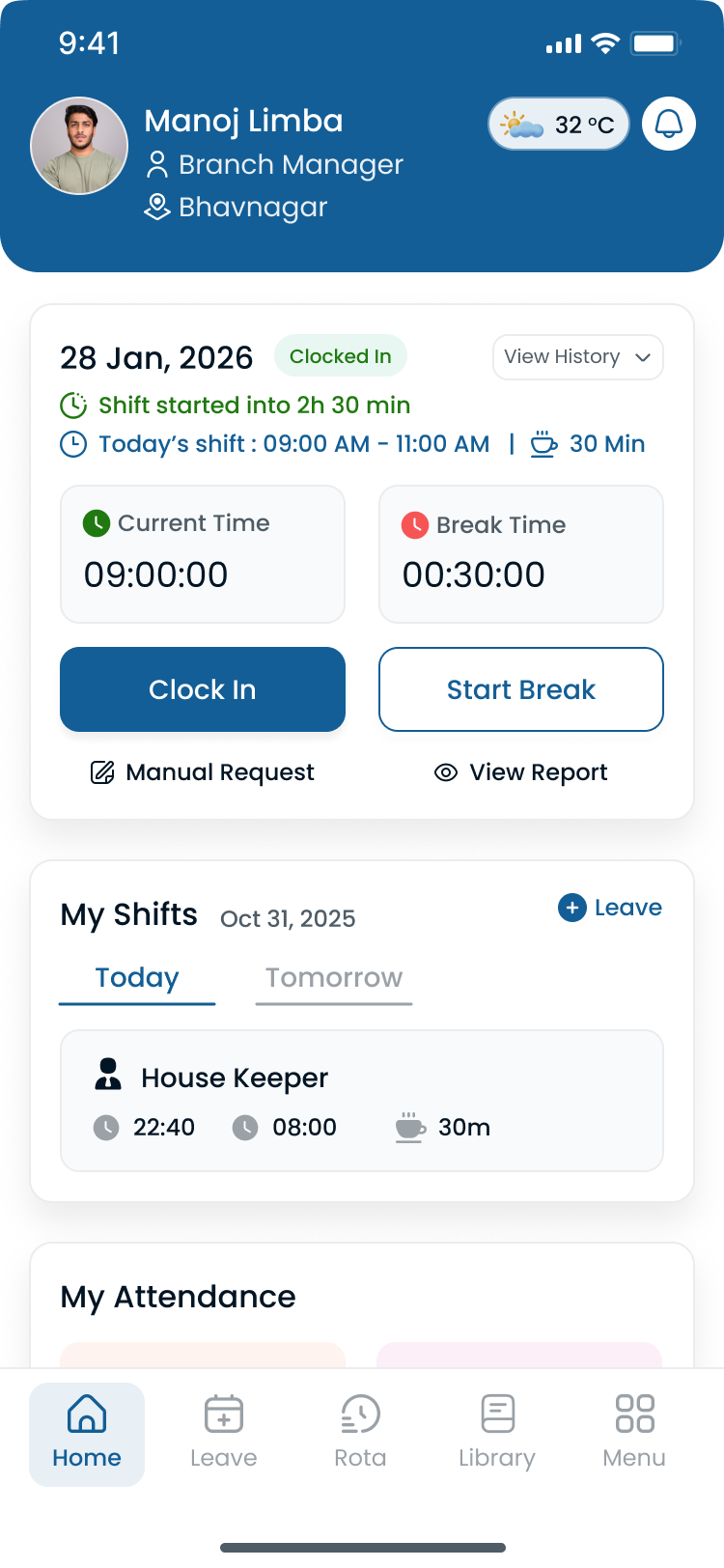
Drivers and warehouse staff should clock in against the same published shift dispatch and payroll both reference.
Best practice #7: Review scheduling data every week
Many businesses create schedules but rarely analyze how well those schedules performed.
Continuous improvement comes from reviewing workforce data regularly. Key metrics include overtime hours, attendance rate, schedule changes, open shift frequency, labor cost by department, shift coverage, and employee utilization.
Weekly workforce review questions:
- Which departments required overtime?
- Which shifts experienced staffing shortages?
- Which employees worked the most extra hours?
- How many schedule changes occurred?
- Were all customer orders fulfilled on time?
- Which warehouse required additional staffing?
Business impact: Data-driven scheduling helps businesses reduce unnecessary labor costs while improving operational efficiency.
Compare plans on pricing when you need workforce reporting at scale.
Logistics scheduling workflow
The most successful logistics companies follow a consistent scheduling process rather than creating schedules differently each week:
- Forecast demand
- Review employee availability
- Create weekly schedule
- Manager review
- Publish schedule
- Employee notifications
- Attendance tracking
- Adjust open shifts
- Review workforce reports
- Improve next week's schedule
Following a repeatable workflow creates consistency across departments and reduces scheduling errors.
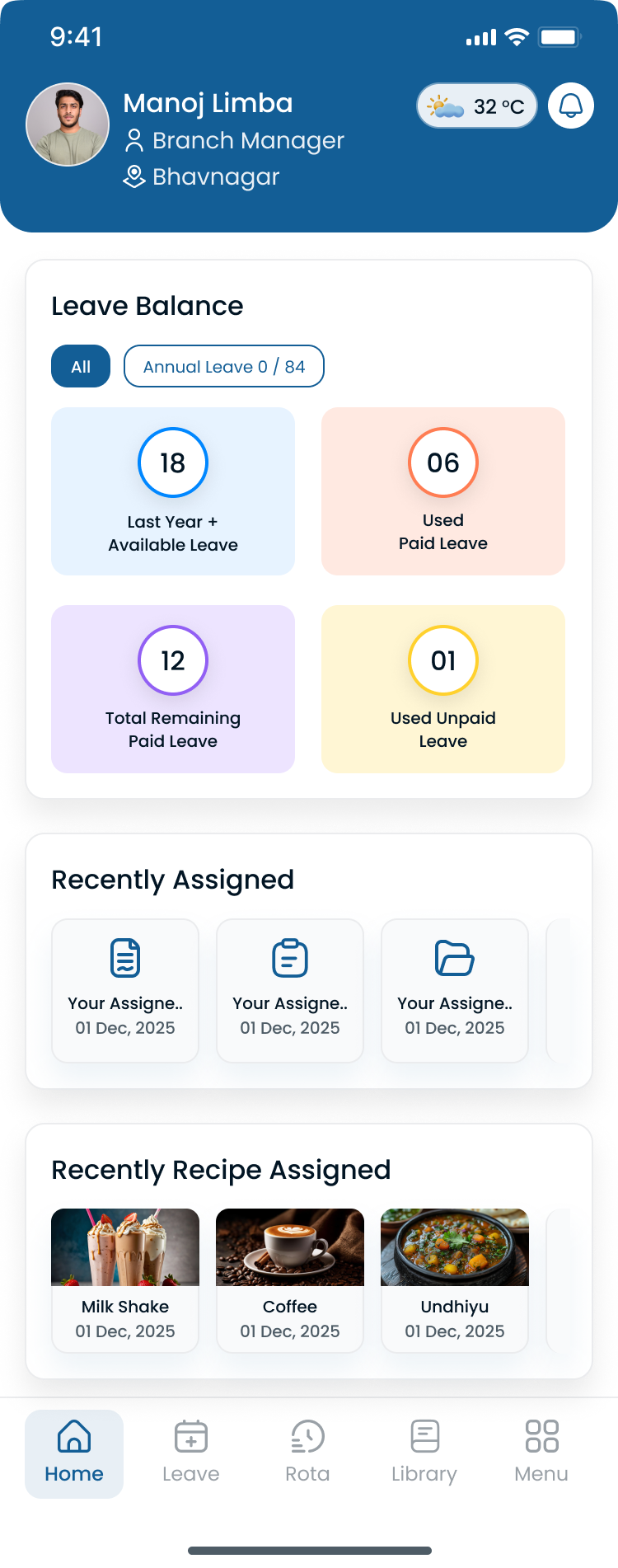
Review hour totals and thin coverage while planning the week, not only after payroll closes.
Best practice #8: Use scheduling data to reduce overtime
Overtime is one of the largest controllable labor expenses for logistics companies.
While overtime is sometimes unavoidable during seasonal peaks or unexpected demand, consistently high overtime often indicates scheduling inefficiencies rather than staffing shortages.
Instead of reviewing overtime after payroll has been processed, monitor employee hours while creating schedules. Ask which employees are approaching overtime, whether another qualified employee can cover a shift, and whether one warehouse is consistently understaffed.
For example, if one warehouse employee has already worked 38 hours by Thursday, assigning Friday's shift to another qualified employee may reduce overtime while balancing workloads across the team.
Business impact: Monitoring overtime during schedule planning helps control labor costs without affecting productivity or customer service.
Run scenarios with the overtime risk calculator before you publish a heavy week.
Best practice #9: Cross-train employees for operational flexibility
One of the biggest risks in logistics operations is depending on a small number of employees with specialized skills.
If only one employee can operate specific equipment or perform a particular warehouse task, unexpected absences can quickly disrupt operations.
Cross-training creates a more resilient workforce. Examples include receiving associates learning outbound shipping, picking teams assisting with packing during peak demand, warehouse employees receiving forklift certification, and drivers training on multiple delivery routes.
Business impact: Cross-training improves workforce resilience, reduces operational bottlenecks, and allows managers to fill shifts more confidently.
Best practice #10: Replace reactive scheduling with workforce planning
Many logistics businesses spend every week reacting to staffing issues. Managers adjust schedules only after someone calls in sick, requests leave, or customer demand changes.
Successful logistics companies move from reactive scheduling to proactive workforce planning. That means reviewing workforce data before creating schedules and planning for future operational needs.
Questions managers should ask include:
- Which weeks experience the highest demand?
- Which departments regularly require overtime?
- Which shifts are hardest to fill?
- Which locations may require additional employees next month?
- Do we have enough trained staff for upcoming projects?
Business impact: Proactive workforce planning improves labor utilization, reduces scheduling stress, and helps businesses scale more efficiently.
Compare vendors in best employee scheduling software for logistics companies when you are ready to replace manual rotas.
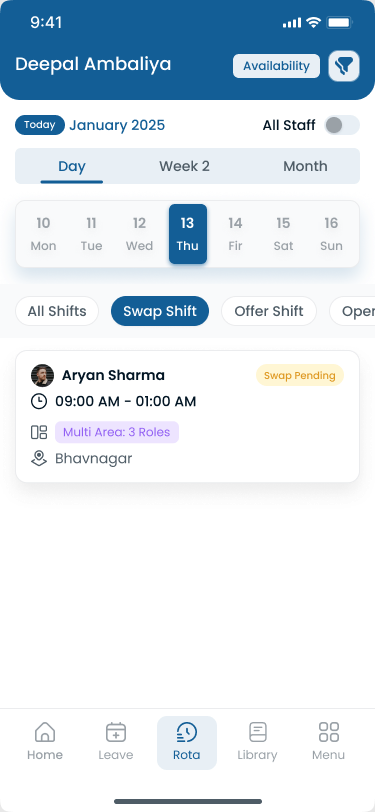
Structured swap and open-shift paths beat texting names until someone says yes.
Common scheduling mistakes logistics companies should avoid
Building schedules too early: Creating schedules before understanding customer demand often leads to unnecessary changes later in the week. Review operational forecasts before assigning shifts.
Ignoring employee availability: Scheduling employees who have already requested leave creates unnecessary conflicts and frustration. Always review availability before publishing schedules.
Relying on the same employees: Assigning overtime to the same high-performing employees every week may solve short-term staffing issues but often leads to burnout and higher turnover.
Managing scheduling and attendance separately: Scheduling determines who should be working. Attendance confirms who actually worked. Managing these processes separately reduces visibility and increases payroll corrections.
Waiting until problems become emergencies: Successful managers prepare backup plans, maintain cross-trained employees, and monitor workforce trends before problems affect operations.
Read employee shift swapping best practices and workforce scheduling software vs Excel.
Signs it's time to upgrade your scheduling process
If you recognize several of the situations below, it may be time to modernize your logistics workforce management process:
- Managers spend hours updating spreadsheets every week
- Employees regularly call supervisors to confirm schedules
- Overtime continues to increase
- Multiple versions of schedules exist across email, spreadsheets, and messaging apps
- Shift changes create confusion
- Payroll corrections happen frequently
- Supervisors struggle to coordinate multiple warehouses
- Employees do not receive schedule updates quickly
The more of these challenges your business experiences, the greater the potential benefit from adopting centralized employee scheduling software.
See shift scheduling software buyer's guide and employee scheduling software cost.
Scheduling maturity model
Every logistics company progresses through different stages of workforce scheduling.
| Stage | Typical process | Common challenges | Recommended next step |
|---|---|---|---|
| Level 1 | Paper schedules | Poor visibility | Move to digital schedules |
| Level 2 | Excel spreadsheets | Manual updates, errors | Centralize scheduling |
| Level 3 | Basic scheduling software | Limited reporting | Integrate attendance and leave management |
| Level 4 | Workforce management platform | Continuous optimization | Use workforce analytics for planning |
| Level 5 | Data-driven workforce planning | Ongoing improvement | Forecast labor demand and optimize operations |
Understanding your current stage helps determine what improvements will have the greatest impact.
Implementation checklist
Before changing your scheduling process, review the following checklist.
Workforce planning
- Forecast labor demand
- Review employee availability
- Plan for seasonal demand
- Prepare backup staffing
Schedule creation
- Balance employee workloads
- Reduce unnecessary overtime
- Verify department coverage
- Review compliance requirements
Workforce communication
- Publish schedules digitally
- Notify employees instantly
- Allow leave requests
- Support shift swaps through approval paths
Continuous improvement
- Review attendance weekly
- Monitor overtime
- Analyze workforce reports
- Improve schedules using operational data
Following this checklist creates a repeatable scheduling process that scales as your logistics business grows.
Start with one site and one publish rhythm before you migrate every DC. Operators who switch all sites in one weekend often lose the template discipline that makes peak season survivable.
How scheduling software supports these practices
Modern logistics scheduling software brings the ten practices above into one workflow:
- Shift scheduling with publish-first discipline
- Attendance tracker beside published shifts
- Multi-location areas for regional roll-up
- Mobile app for deskless drivers and floor staff
- Workforce visibility for weekly review
Estimate admin time saved with the manager time savings calculator and scheduling ROI calculator.
Start 30-day free trial or book a demo to pilot publish-first scheduling at one hub.
Frequently asked questions
What is logistics workforce scheduling?
The process of planning employee shifts across warehouses, distribution centers, transportation hubs, and delivery operations. It ensures the right employees are assigned to the right roles at the right time while balancing labor costs, employee availability, and customer demand.
Why is workforce scheduling important in logistics?
Efficient scheduling helps logistics companies reduce overtime, improve warehouse productivity, increase on-time shipments, improve employee communication, reduce scheduling conflicts, control labor costs, and improve customer satisfaction.
What causes scheduling problems in logistics companies?
The most common causes include manual spreadsheets, last-minute absences, poor workforce visibility, limited communication, seasonal demand fluctuations, multiple warehouse locations, inaccurate employee availability, and lack of attendance tracking.
How can logistics companies reduce overtime?
Forecast labor demand, review employee availability before scheduling, balance workloads across employees, monitor employee hours before overtime occurs, cross-train staff, and review workforce reports weekly. Scheduling software helps managers identify employees approaching overtime before schedules are published.
What features should logistics scheduling software include?
Employee scheduling with publish discipline, attendance tracking, shift planning, leave management, shift swapping, employee availability, mobile app access, multi-location management, workforce reporting, and real-time notifications.
Can small logistics businesses benefit from scheduling software?
Yes. Even companies with 20 to 30 employees often save several hours every week by replacing spreadsheets with centralized scheduling software. Smaller businesses also benefit from better communication, improved attendance visibility, reduced payroll corrections, and faster schedule creation.
How often should warehouse schedules be reviewed?
Most logistics companies should review schedules weekly. Managers should monitor attendance, staffing levels, and operational changes daily to ensure schedules continue meeting business needs.
Is employee scheduling software difficult to implement?
Most modern cloud-based scheduling platforms are designed to be implemented quickly. A typical rollout includes importing employees, configuring departments and locations, creating shift templates, training supervisors, and publishing the first digital schedule. Many businesses begin using the platform within a few days.
Final thoughts
Efficient workforce scheduling is no longer just an administrative responsibility. It is a competitive advantage.
As logistics operations grow, managers must coordinate larger teams, more locations, changing customer demand, and increasing labor costs. Relying on spreadsheets or manual scheduling processes makes that job increasingly difficult.
The most successful logistics companies do not simply create schedules. They build repeatable scheduling processes supported by workforce data, employee availability, attendance tracking, and clear communication.
By applying the best practices in this guide, businesses can improve warehouse productivity, reduce overtime, increase workforce visibility, strengthen employee communication, minimize scheduling conflicts, and scale operations with greater confidence.
Whether you manage one warehouse or a multi-location logistics network, improving your scheduling process can have a measurable impact on operational efficiency and employee satisfaction.
Ready to modernize your workforce scheduling?
If your logistics business has outgrown spreadsheets, phone calls, or manual scheduling, it may be time to adopt a workforce management platform designed for shift-based teams.
Heyshift helps logistics companies build employee schedules faster, track attendance in real time, manage leave requests, support employee shift swaps, coordinate multiple warehouses, improve workforce communication, and monitor labor trends and overtime.
Instead of spending hours updating schedules each week, managers can focus on improving operations and delivering better customer service.
Start your 30-day free trial (no credit card required) or book a demo to map your first publish week.
One line to keep: forecast first, publish once, review weekly, and let attendance and scheduling live in the same official roster.
Continue with related topics
Pulled from shared tags when possible, otherwise the newest notes from the blog.

Attendance Management Software for New York City Businesses (2026)
How attendance management software helps New York City businesses track hours, reduce payroll errors, cut buddy punching, and keep planned shifts aligned with worked time.

Best Shift Scheduling Software for New York City Businesses (2026)
Compare the best shift scheduling software for New York City businesses. Features, benefits, and buying guidance for shift swaps, open shifts, and hourly team scheduling.

Workforce Management Software for New York City Small Businesses: What to Look for in 2026
What NYC small businesses should look for in workforce management software in 2026: scheduling, attendance, leave, mobile access, and buying guidance for growing teams.