


Healthcare Overtime Management: How to Reduce Labor Costs Without Compromising Patient Care (2026)
Learn healthcare overtime management best practices to reduce labor costs, improve staffing efficiency, minimize burnout, and optimize employee scheduling with alerts before payroll.
Biggest causes of healthcare overtime
| Cause | How it creates premium hours |
|---|---|
| Poor scheduling | Hours stack on the same names without a weekly total view |
| Manual spreadsheets | Version conflicts hide who is already at threshold |
| No attendance visibility | Planned vs worked diverges until payroll export |
| Poor forecasting | Units staff to last month's census, not this week's surge |
| Last-minute absences | Mandatory doubles replace open-shift workflow |
| Shift gaps | Unfilled bands default to overtime instead of per-diem pickup |
| No overtime alerts | Managers learn about threshold breaks after shifts start |
Reduce overtime healthcare teams start by fixing visibility, not by cutting patient-facing hours blindly. Read why spreadsheets fail for workforce scheduling when Excel is still your staffing office system of record.
Manual overtime tracking vs connected workforce systems
| Manual approach | Connected system |
|---|---|
| OT discovered at payroll export | Hour totals visible on draft schedules |
| Swaps and doubles in texts | Approved changes on official roster |
| Agency spend in separate invoice | Internal fill tracked before agency |
| Leave in HR system only | PTO blocks visible while scheduling |
| Unit managers keep private totals | Finance and nursing share weekly KPIs |
Most healthcare operators outgrow manual overtime tracking healthcare when they exceed two critical units, 150 bedside staff, or one agency contract they cannot explain unit by unit.
Healthcare overtime management best practices
1. Schedule earlier
Publish as far ahead as contracts and policy allow. Late schedules force doubles and agency defaults. Many hospitals and LTC operators aim for two to four weeks on stable units.
Early publish gives per-diem and part-time staff time to pick up open bands before full-time staff absorb premium hours. It also surfaces PTO conflicts while you can still adjust float instead of at handoff.
Publish-first means one official roster on mobile, not a PDF in email.
2. Forecast patient demand
Review census trends, surgical volume, ED boarding, seasonal respiratory patterns, and historical call-off rates when building the week. Staff to expected acuity, not only bed count.
Outpatient groups should tie support staffing to appointment templates and procedure days, not average weekday headcount from last quarter.
Read hospital staff scheduling best practices for acute care forecasting habits and clinic staff scheduling best practices for outpatient demand curves.
3. Monitor overtime daily
Daily hour review beats monthly finance surprises. Charge nurses and staffing coordinators should see who is near limits today and this week.
A simple daily question prevents stacks: who is within eight hours of weekly threshold before tonight's shift starts?
Use the overtime risk calculator while the schedule is still a draft.
4. Track attendance against the plan
Overtime tracking healthcare fails when attendance lives in a separate system from the published assignment. Planned vs worked hours on one timeline reduces payroll variance.
When punches drift from published bands, fix the roster or the punch policy immediately. Drift trains staff to treat the official week as optional.
Explore attendance tracking and attendance management software.
5. Use employee availability
Build rotas against current availability, PTO, and leave blocks. Scheduling against outdated records guarantees last-minute OT patches.
Include per-diem windows, school-term changes for part-time staff, and secondary-job constraints where policy allows.
See people and availability and leave management.
6. Enable shift swapping
Manager-approved swaps add flexibility without abandoning hour limits. Swaps should update totals immediately on the official roster.
Swap policy should block trades that push either nurse past threshold without manager override documented on the published week.
Read employee shift swapping best practices and open shift and swap approvals.
7. Use open shifts before doubles
Post open shifts to qualified internal staff on mobile before mandatory overtime texts. Internal fill is cheaper and fairer than default doubles.
Define a consistent order: home unit qualified staff, float pool, per-diem, then overtime or agency per policy.
8. Build float pools deliberately
Float staff add flexibility, but uncontrolled float movement stacks hours on cross-trained nurses. Tag credentials and hour limits centrally.
Float should appear on the official roster when assigned, not only in a staffing office text after the unit thought coverage was set.
9. Automate notifications
Staff should see schedule changes, open shifts, and hour-affecting approvals on mobile. Paper in the break room is not a notification system.
Notifications should point to the published assignment, not a screenshot that may be outdated by handoff.
Use the Heyshift mobile app.
10. Review labor reports weekly
Finance and nurse leaders should review OT hours, fill rate, absenteeism, and payroll variance on the same weekly cadence as staffing publish.
Weekly review works best on a fixed calendar invite with the same report deck, not ad hoc emails when finance notices a miss.
Explore cost and labor insights and attendance reports and analytics.
How overtime alerts work in practice
Overtime tracking healthcare alerts should fire in two windows:
While planning: When scheduled hours on the draft roster approach daily or weekly limits, managers rebalance assignments, move float, or post open shifts before publish.
During the live week: When worked plus scheduled remaining hours approach thresholds, charge nurses and staffing offices adjust before automatic doubles stack.
Alerts fail when they only appear in payroll exports. Configure thresholds per role and contract type where your platform supports it, then train managers to act on warnings during the Friday publish review, not Monday damage control.
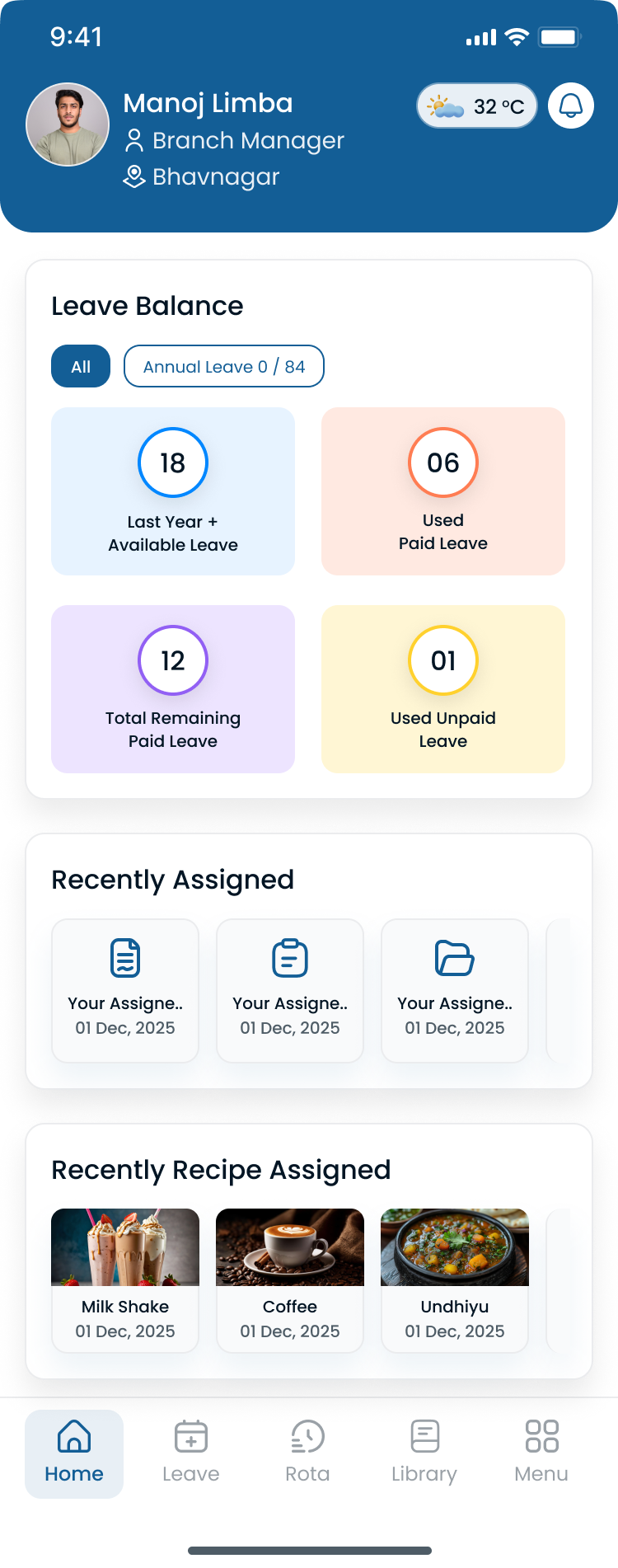
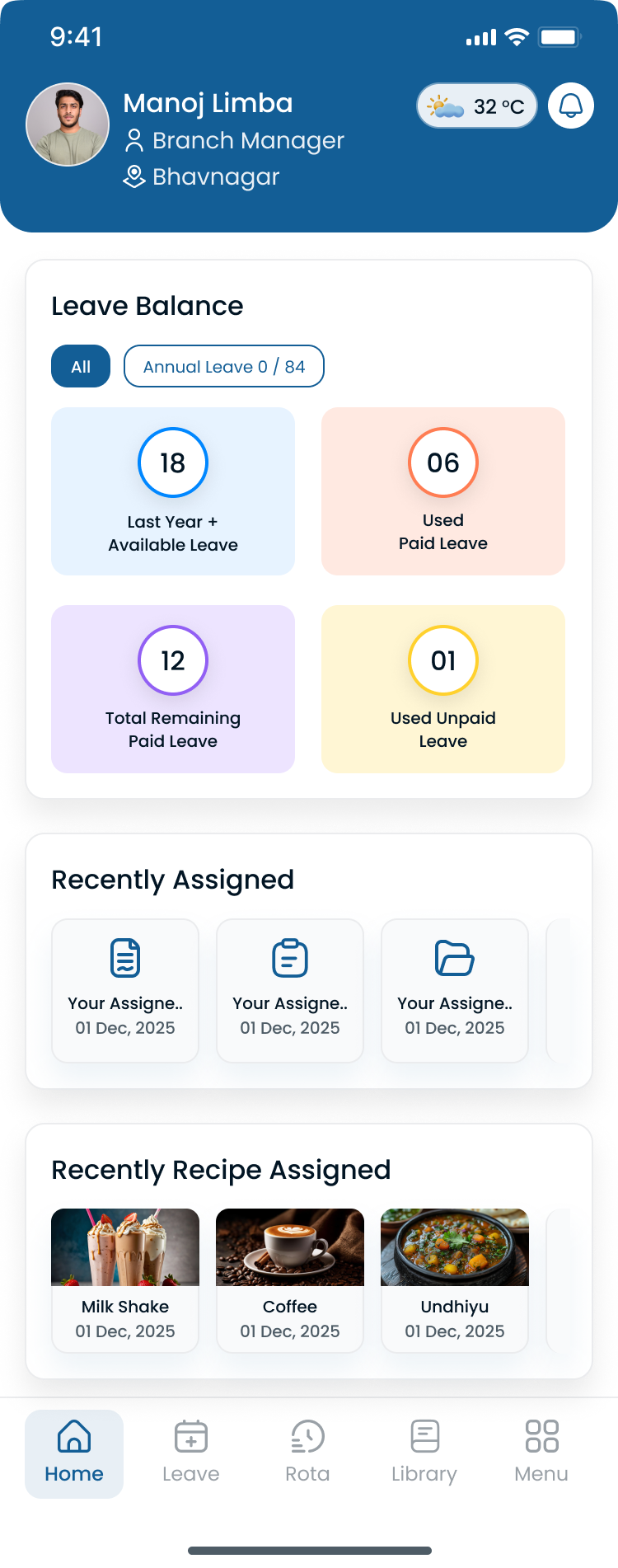
OT risk should be visible while managers can still move assignments, not only after shifts are worked.
KPIs for healthcare overtime management
Track these metrics weekly and monthly. Tie each KPI to an action, not only a dashboard tile.
| KPI | Why it matters |
|---|---|
| Overtime hours | Direct premium labor spend; slice by unit and role |
| Labor cost % | Shows OT impact on operating margin; compare to budget |
| Schedule accuracy | Planned vs worked alignment reduces payroll variance |
| Shift fill rate | Low fill drives doubles and agency |
| Attendance rate | Chronic lateness and no-shows predict OT scrambles |
| Absenteeism | Call-off trends expose units needing float or per-diem depth |
| Employee turnover | High-OT units often lose staff faster |
| Payroll variance | Gap between scheduled and paid hours signals process breaks |
Healthcare workforce management improves when nurse managers and finance review the same numbers before payroll export. Use the labor cost percentage calculator to frame targets with leadership.
Sample weekly OT review agenda
| Step | Question |
|---|---|
| Unit totals | Which departments exceeded OT budget pace? |
| Repeat names | Who appeared on overtime three or more times this month? |
| Fill rate | Did open shifts go unfilled before doubles? |
| Agency | Was agency authorized after internal fill attempts? |
| Variance | Where did worked hours diverge from published plan? |
Software features to look for
| Feature | Healthcare OT outcome |
|---|---|
| Employee scheduling | Publish-first grids with hour totals while planning |
| Attendance tracking | Planned vs worked on one timeline |
| Overtime alerts | Threshold warnings before shifts lock |
| Labor cost dashboard | Budget pacing by unit and week |
| Leave management | PTO visible before assignments |
| Mobile scheduling | Open shifts and updates on phone |
| Reporting | OT, fill rate, and variance trends |
| Multi-location support | Health system roll-up without merged files |
Compare healthcare staff scheduling software and nurse scheduling software when you evaluate healthcare overtime software vendors.
Connecting scheduling, attendance, and payroll
Healthcare overtime management breaks when three systems disagree. Scheduling shows one band, attendance captures another, payroll pays a third. Leaders then debate which file is truth while premium hours already cleared.
Connected workflow looks like this:
- Publish the official week with hour totals visible
- Capture attendance against assigned shifts
- Alert managers when worked plus remaining scheduled hours approach limits
- Export payroll with planned vs worked variance under review
Explore payroll integration planning when finance is part of the buying committee.
How a hospital reduced overtime without cutting coverage
Before: 200 beds, 380 staff, OT budget overruns
A 200-bed hospital employing roughly 380 clinical and support staff regularly exceeded its monthly overtime budget. Manual unit spreadsheets, staffing office texts, and last-minute shift changes meant managers discovered premium stacks after shifts were worked. Agency use rose when internal open shifts were invisible. Nurse satisfaction scores cited unpredictable hours.
The quarter finance and nursing aligned on visibility
Leadership paired a staffing office publish standard with healthcare overtime software capabilities: hour totals on draft schedules, overtime alerts before publish, mobile open shifts, attendance tied to planned assignments, and weekly labor reports shared with finance.
| Challenge | Before | After |
|---|---|---|
| OT discovery | After payroll export | While building and daily review |
| Open shifts | Phone tree to usual names | Mobile post to qualified staff |
| Schedule versions | Excel per department | One published roster |
| Agency default | Fast but expensive | Internal fill attempted first |
| Payroll variance | Frequent corrections | Planned vs worked aligned |
| Burnout signals | Anecdotal | Repeat OT names visible weekly |
Outcome
The hospital did not cut minimum ratios or close beds. Managers identified coverage gaps earlier, balanced workloads more effectively, and reduced unnecessary overtime while maintaining patient care standards. Premium hours still happen during surges; they stopped being the default operating mode.
Lessons the staffing office kept
Three habits sustained OT reduction after rollout:
- Friday hour review: Nurse managers and finance shared the same OT pacing report before Sunday publish
- Open-shift SLA: Internal mobile post waited a defined window before doubles or agency
- Repeat-name report: Nurses on OT three or more times in 30 days triggered rotation or staffing committee review
Software did not replace staffing committee judgment. It gave nurse leaders and finance the same hour context before money was spent.
Choosing healthcare overtime software
Evaluate platforms on scheduling, attendance, and OT as one workflow:
| Requirement | Why it matters |
|---|---|
| Scheduling | OT prevention starts while hours are planned |
| Attendance | Worked time must reference published assignments |
| Overtime alerts | Threshold warnings before lock-in |
| Leave management | PTO blocks before unit publish |
| Payroll integration or export | Clean finance handoff |
| Workforce reporting | Weekly OT and variance trends |
| Mobile access | Bedside staff see open shifts and updates |
| Multi-location scheduling | System roll-up for multi-site operators |
Demo questions for healthcare buyers
- Do hour totals update when swaps and open shifts are approved?
- Can we alert managers when a nurse nears weekly or daily limits?
- Does attendance show planned assignment beside worked punches?
- Can we report OT by unit, role, and pay period before export?
- Do float and per-diem staff roll up without duplicate records?
Implementation phases for healthcare OT programs
| Phase | Focus | Outcome |
|---|---|---|
| Phase 1 | Measure | OT by unit, role, and repeat names for 90 days |
| Phase 2 | Publish | One official roster; stop parallel spreadsheets |
| Phase 3 | Alerts | Threshold warnings while planning and live week |
| Phase 4 | Finance alignment | Weekly KPI review shared with nursing |
Rollout beats big-bang when unions, per-diem habits, or agency contracts vary by department.
Reducing overtime starts with better workforce visibility. Heyshift helps healthcare organizations create smarter schedules, track attendance, monitor labor costs, and receive overtime alerts before payroll, helping managers balance staffing while maintaining quality patient care.
Review pricing. Start a 30-day free trial, book a demo, or contact Heyshift with your unit count and OT targets.
Common healthcare overtime mistakes
Publishing schedules too late: forces doubles and premium reactions.
Ignoring availability: creates predictable last-minute gaps.
Depending on agency staff: premium cost before internal open shifts exhaust.
No overtime visibility: managers cannot rebalance before lock-in.
Manual approvals: swaps and doubles live outside the official roster.
Poor communication: parallel texts undermine publish discipline.
Cutting hours blindly: unsafe staffing to hit a finance target.
Separating attendance from schedule: payroll variance and disputes multiply.
Treating OT as individual heroism: rewards unsustainable patterns.
Skipping weekly labor review: finance and nursing optimize different spreadsheets.
30-day overtime reduction checklist
| Week | Focus | Actions |
|---|---|---|
| Week 1 | Baseline | Export OT hours by unit for last 90 days |
| Week 2 | Publish discipline | One official roster channel; stop parallel files |
| Week 3 | Alerts and open shifts | Threshold warnings live; mobile open shifts pilot |
| Week 4 | Weekly review | Finance and nurse leaders share OT KPI dashboard |
Pilot med-surg plus one high-OT support department before hospital-wide mandate if change management is tight.
Metrics to watch in days 31-90
| Metric | Target direction |
|---|---|
| OT hours per adjusted patient day | Down or flat with stable census |
| Internal open-shift fill rate | Up before doubles rise |
| Agency hours | Flat or down with same volume |
| Payroll variance | Narrowing gap vs published plan |
| Turnover on top-OT units | Stabilizing after rotation fixes |
Re-run the overtime risk calculator on your heaviest units monthly to stress-test publish rules before flu or holiday surges.
Compliance and labor planning notes
Healthcare employers operate under federal and state wage and hour rules, meal and rest requirements, union contracts where applicable, and internal safe staffing policies. Healthcare overtime management software supports operational discipline; it does not replace legal counsel, nurse staffing committees, or licensure compliance.
The Occupational Safety and Health Administration publishes healthcare worker safety guidance relevant to long shifts and fatigue. SHRM workforce planning resources connect labor forecasting to retention and cost control.
Pair OT policy with payroll planning and nurse shift rotation best practices when fairness and fatigue limits are part of the same program.
Who should own healthcare overtime management?
No single role can control OT alone. Sustainable programs assign clear ownership:
| Role | OT responsibility |
|---|---|
| Nurse / unit managers | Daily coverage, open-shift pickup, threshold warnings on the floor |
| Staffing office | Publish standards, float rules, agency authorization workflow |
| Finance | Budget pacing, labor cost %, payroll variance review |
| HR | Policy, meal and rest rules, grievance patterns tied to scheduling |
| Operations leadership | Cross-department KPI review and software rollout priority |
Weekly OT review should include nursing and finance at minimum, using the same dashboard. When each function optimizes a different spreadsheet, premium hours reappear between meetings.
Frequently asked questions
What causes healthcare overtime?
Staff shortages, call-offs, late publish, poor forecasting, manual scheduling, invisible open shifts, and agency defaults when internal fill fails.
How can hospitals reduce overtime?
Publish early, forecast demand, monitor hours daily, post internal open shifts first, use float pools deliberately, alert managers before thresholds, and review labor KPIs weekly with finance.
Does scheduling software help reduce labor costs?
Yes. Healthcare overtime software combines scheduling, attendance, alerts, and reporting so managers rebalance hours before premium pay accrues. Compare healthcare staff scheduling software.
What KPIs should healthcare managers track?
Overtime hours, labor cost percentage, schedule accuracy, shift fill rate, attendance rate, absenteeism, turnover on high-OT units, and payroll variance.
How can nurse burnout be reduced?
Limit consecutive nights and doubles, balance weekends fairly, publish earlier, and give mobile access to the official roster. Read nurse shift rotation best practices.
How do overtime alerts work?
Alerts trigger when scheduled or worked hours approach configured thresholds while the rota is still editable or during the live week, giving managers time to rebalance before payroll.
How is healthcare OT different from retail OT?
Healthcare runs 24/7 clinical coverage with acuity, credential, and float rules. Premium hours affect patient safety and regulatory scrutiny, not only margin.
Should home health agencies use the same OT practices?
Yes, with visit-window and mileage constraints added. See home healthcare scheduling best practices and caregiver scheduling best practices.
Can overtime be eliminated entirely?
No during surges. The goal is necessary OT during true gaps, not default OT because systems are opaque.
What is the first step to reduce nurse overtime?
Measure OT by unit for 90 days, then fix publish timing and open-shift visibility before buying new tools.
Does Heyshift support healthcare overtime alerts?
Yes. Heyshift supports scheduling, attendance, workforce visibility, and labor insights for healthcare operators managing OT before payroll.
Where should clinics start on overtime management?
Match staffing to appointment demand, publish earlier, and review hour totals before session grids lock. See clinic staff scheduling best practices.
How do labor cost calculators help?
They frame OT impact against revenue or budget targets. Use the labor cost percentage calculator and overtime risk calculator.
Should OT reviews include agency spend?
Yes. Agency is premium labor; track it beside internal OT to see total surge cost. Finance should see agency hours, internal OT, and fill rate on one weekly deck.
How do multi-site health systems control overtime?
Use one platform with site and department tags, executive roll-up on OT pacing, and shared publish standards so a nurse floated between campuses does not exceed limits invisibly. See multi-location workforce management guide.
What is a realistic OT reduction goal in 90 days?
Many operators target 10-20% reduction in unnecessary OT, defined as hours that could have been filled by earlier publish or internal open shifts, while protecting surge weeks. Measure baseline first; do not cut clinical minimums to hit a percentage.
Final thoughts
Healthcare overtime management is not about scheduling fewer caregivers. It is about seeing hours earlier, filling gaps fairly, and aligning nurse leaders and finance on the same weekly numbers.
Organizations that publish early, alert before thresholds, track attendance beside the plan, and replace spreadsheet rotas with connected healthcare workforce management software reduce premium labor without asking units to compromise patient care.
One line to keep: control overtime where hours are planned, not where payroll is exported.
Related Healthcare Resources
Continue with related topics
Pulled from shared tags when possible, otherwise the newest notes from the blog.

Healthcare Leave Management: Best Practices for Hospitals, Clinics & Care Providers (2026)
Learn healthcare leave management best practices to reduce scheduling conflicts, improve staffing coverage, manage PTO, and simplify workforce scheduling for hospitals, clinics, nursing homes, and care providers.

Healthcare Workforce Management: The Complete Guide for Hospitals, Clinics & Care Providers (2026)
Learn healthcare workforce management best practices for hospitals, clinics, and care providers: staff scheduling, attendance tracking, labor planning, overtime reduction, compliance, and workforce communication in one guide.

Nurse Shift Rotation: Best Practices to Improve Staff Well-Being and Patient Care (2026)
Learn nurse shift rotation best practices to reduce burnout, improve staffing coverage, balance workloads, and create fair healthcare schedules with publish-first nurse scheduling software.